

To reestablish a self-sustaining meadow ecosystem on the Karst valley floor.
Meadow Restoration
Objective
The Meadow Restoration Project is a long-term initiative to improve habitat for native flora and fauna within Lost River Cave’s karst valley. Over the years, the project has been strengthened by the involvement of staff, volunteers, and numerous community partners and supporters, including the Warren County Master Gardeners, Wild Ones SoKY Chapter, Boy Scouts, local school children, WKU students, and other community members.
The Story
Winter 2017
Finding Blind Turtles
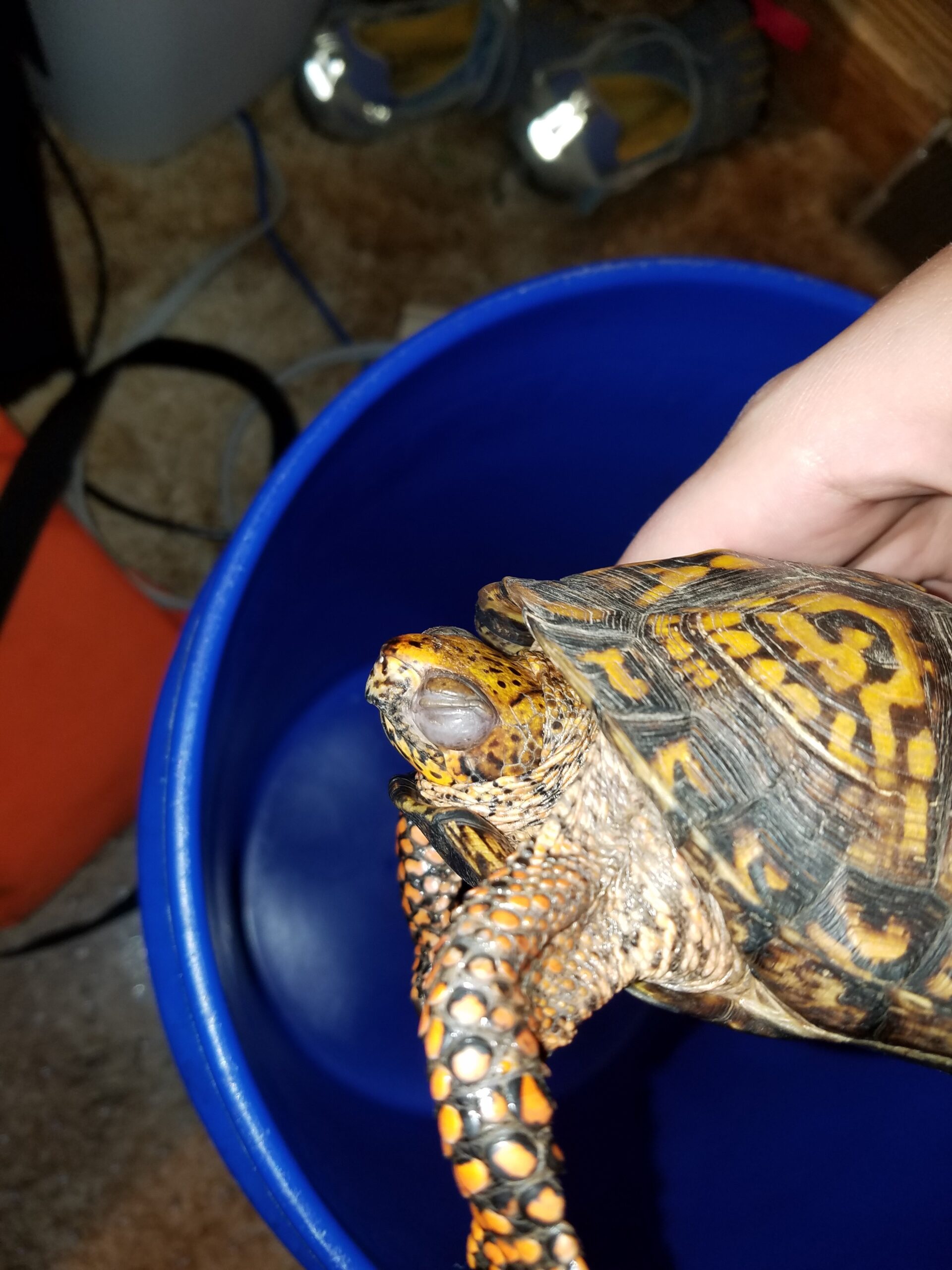
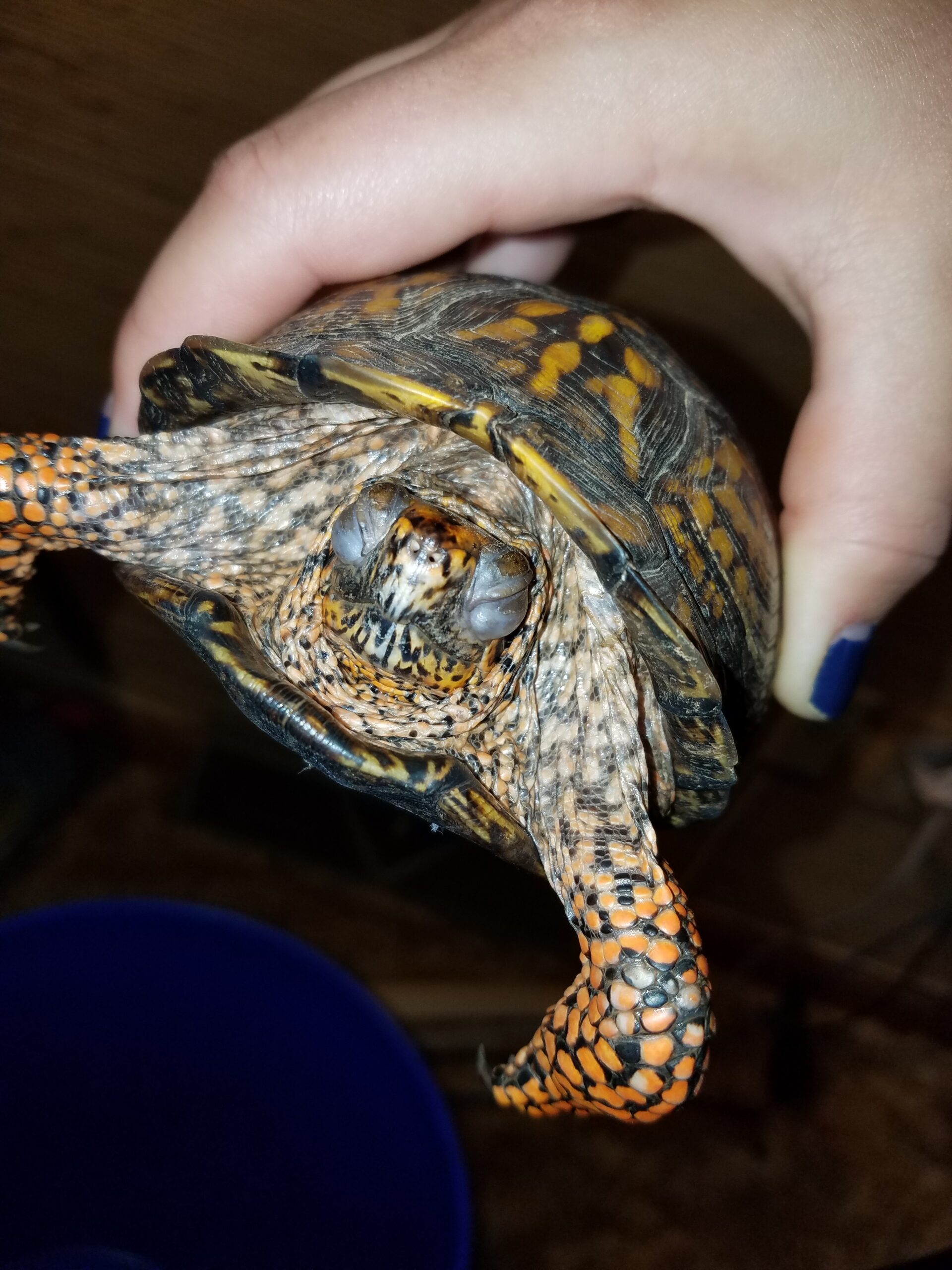
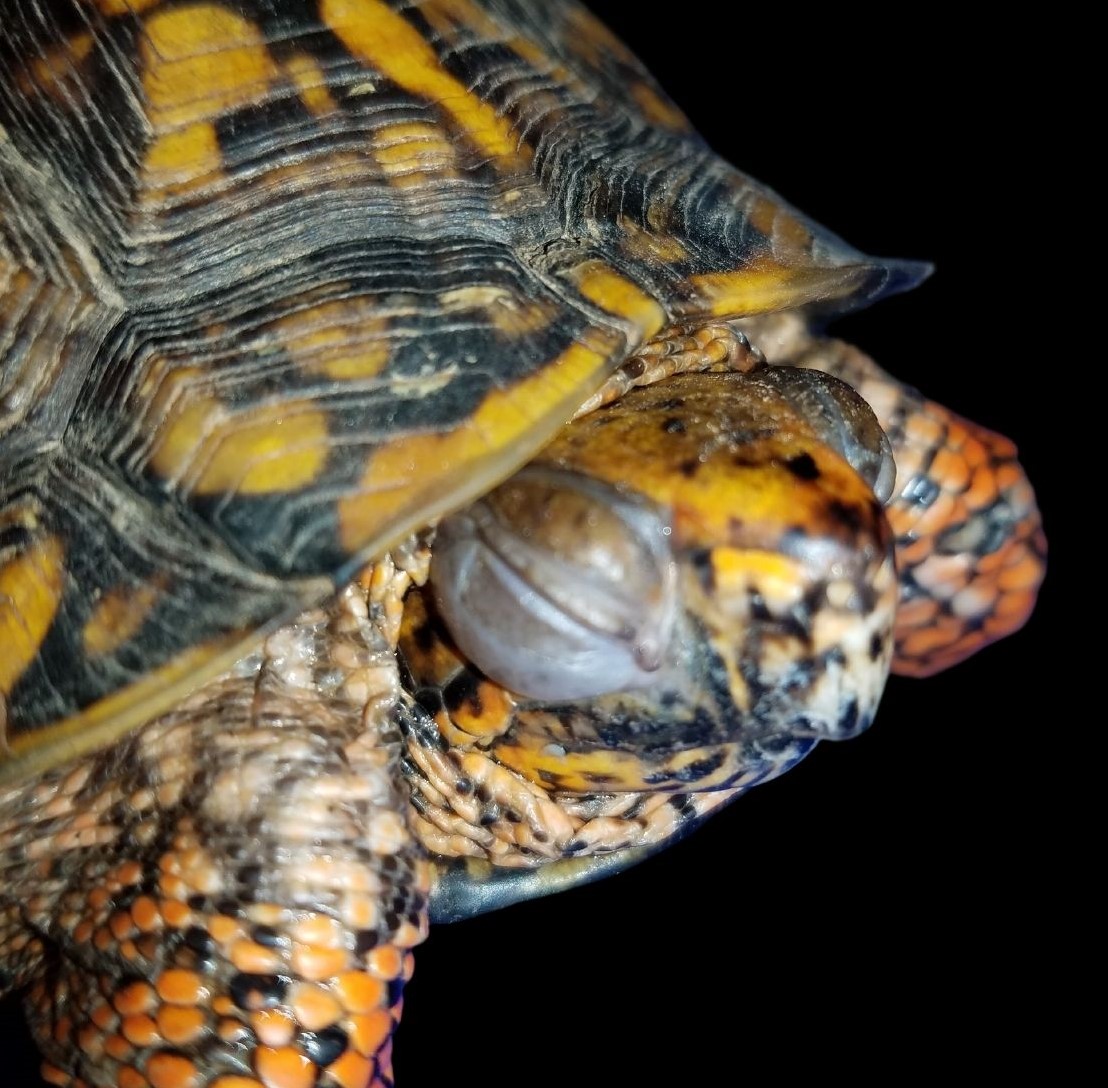
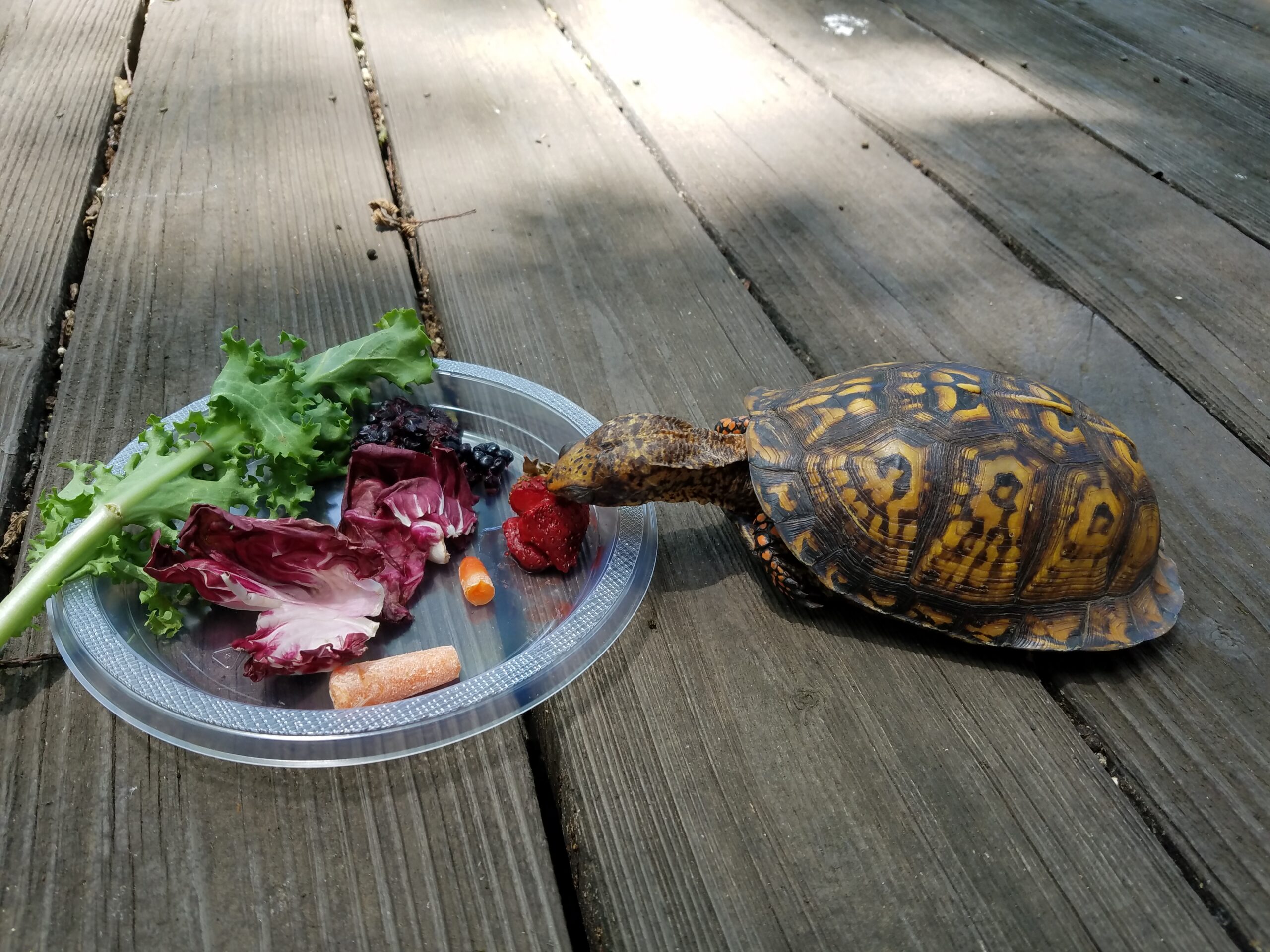
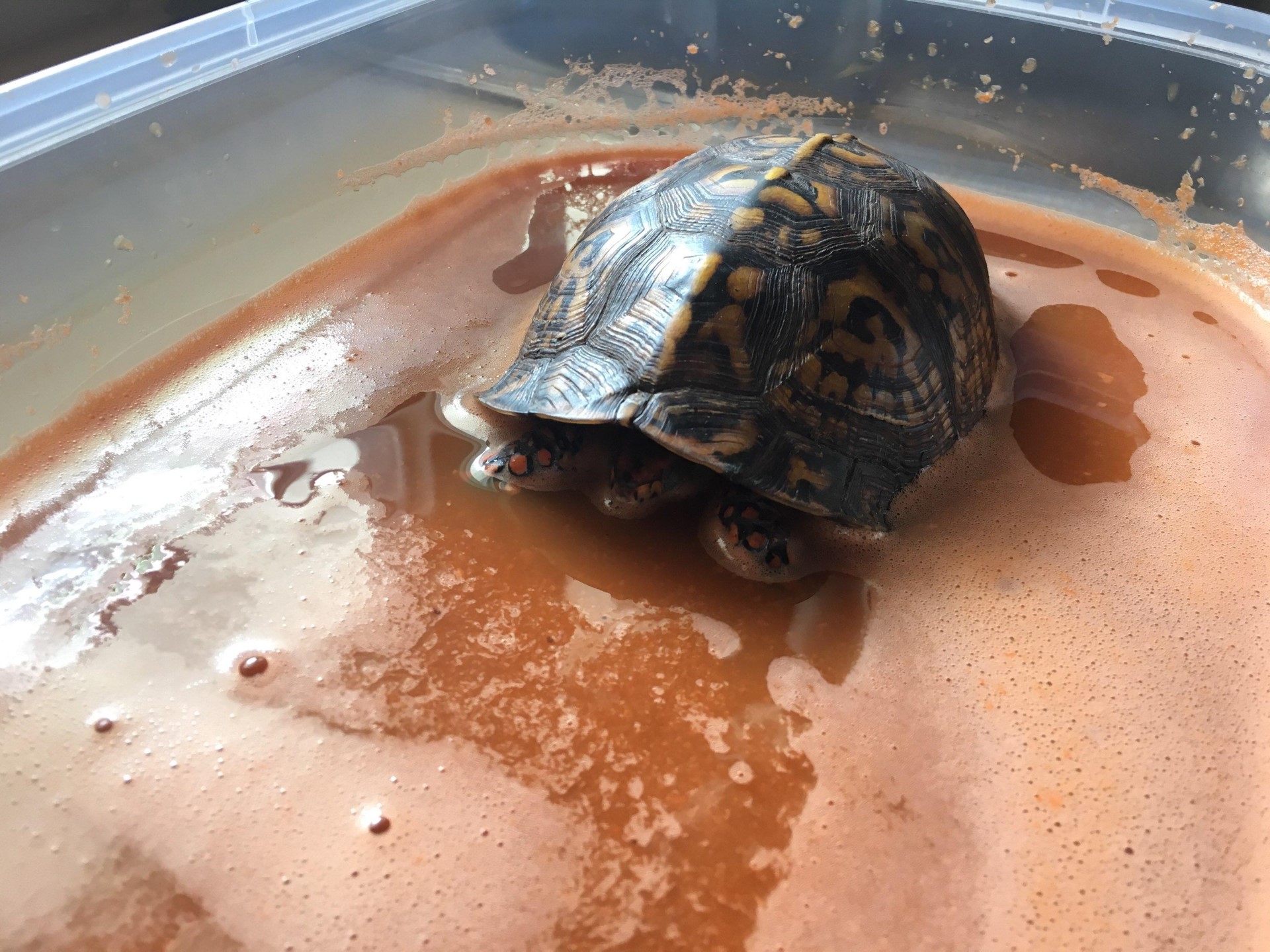
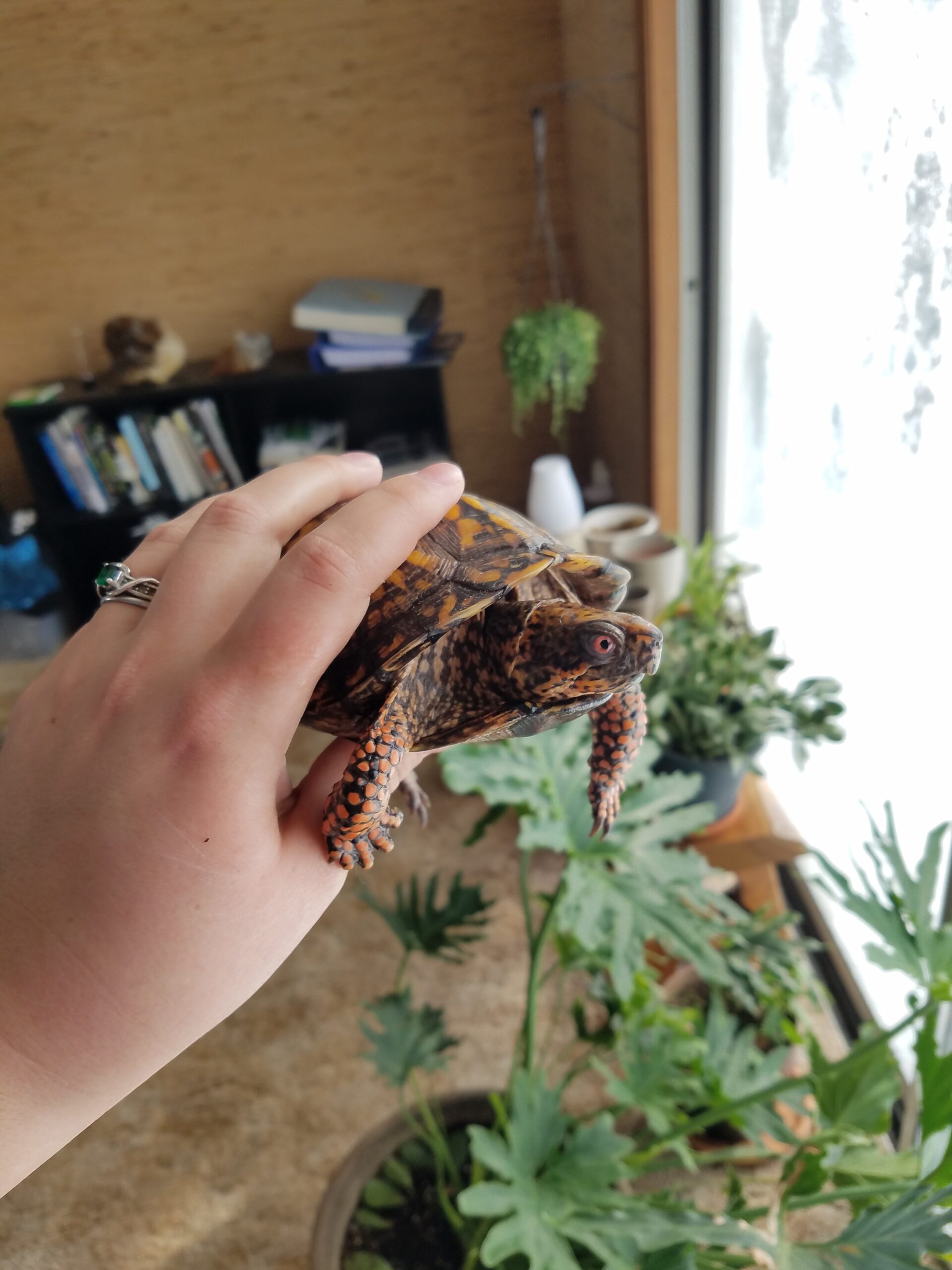
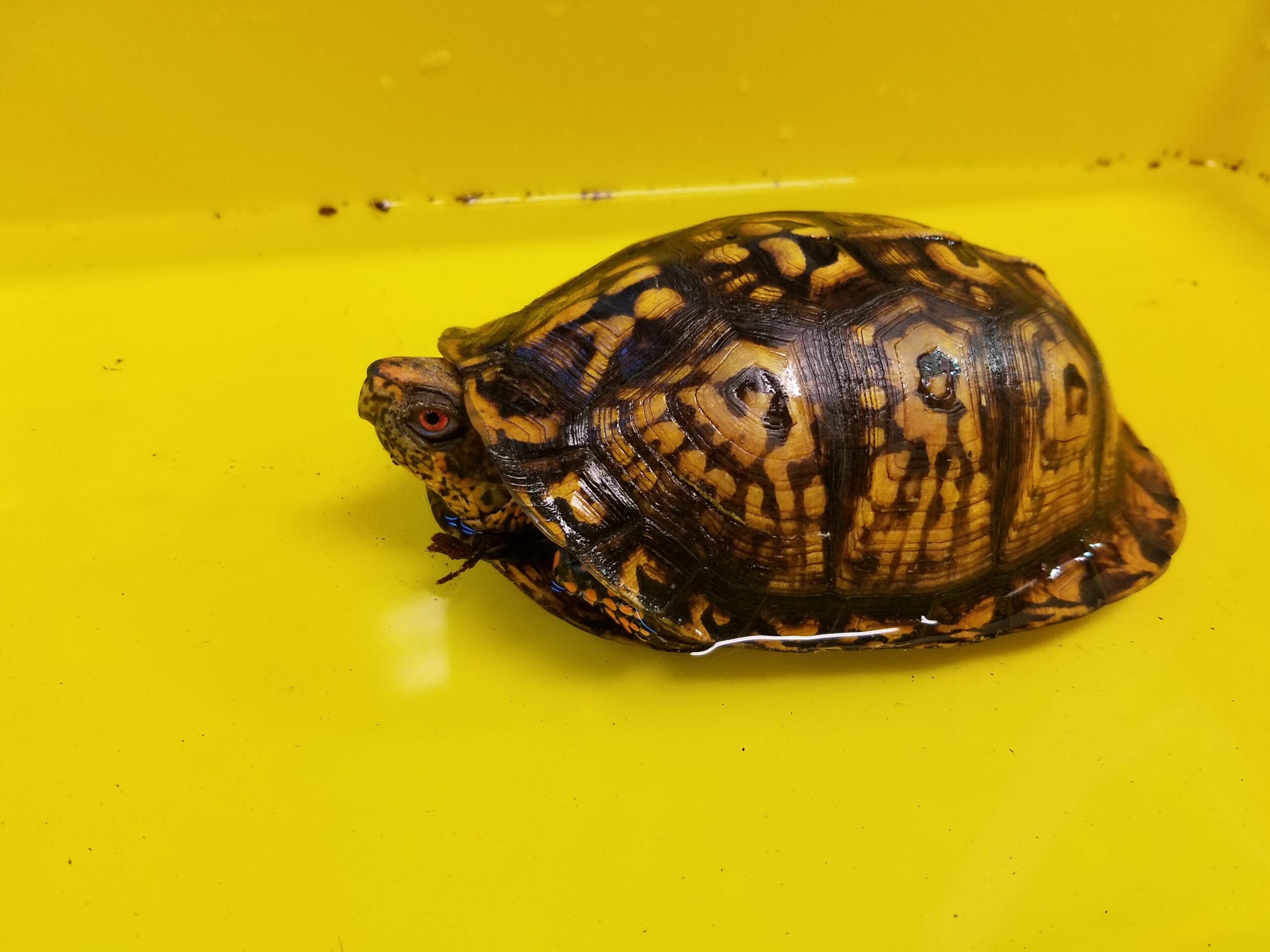
Turtles can lose eyesight from malnutrition. Finding these turtles meant the ecosystem was really in trouble.
Fall 2018
Planning the Meadow
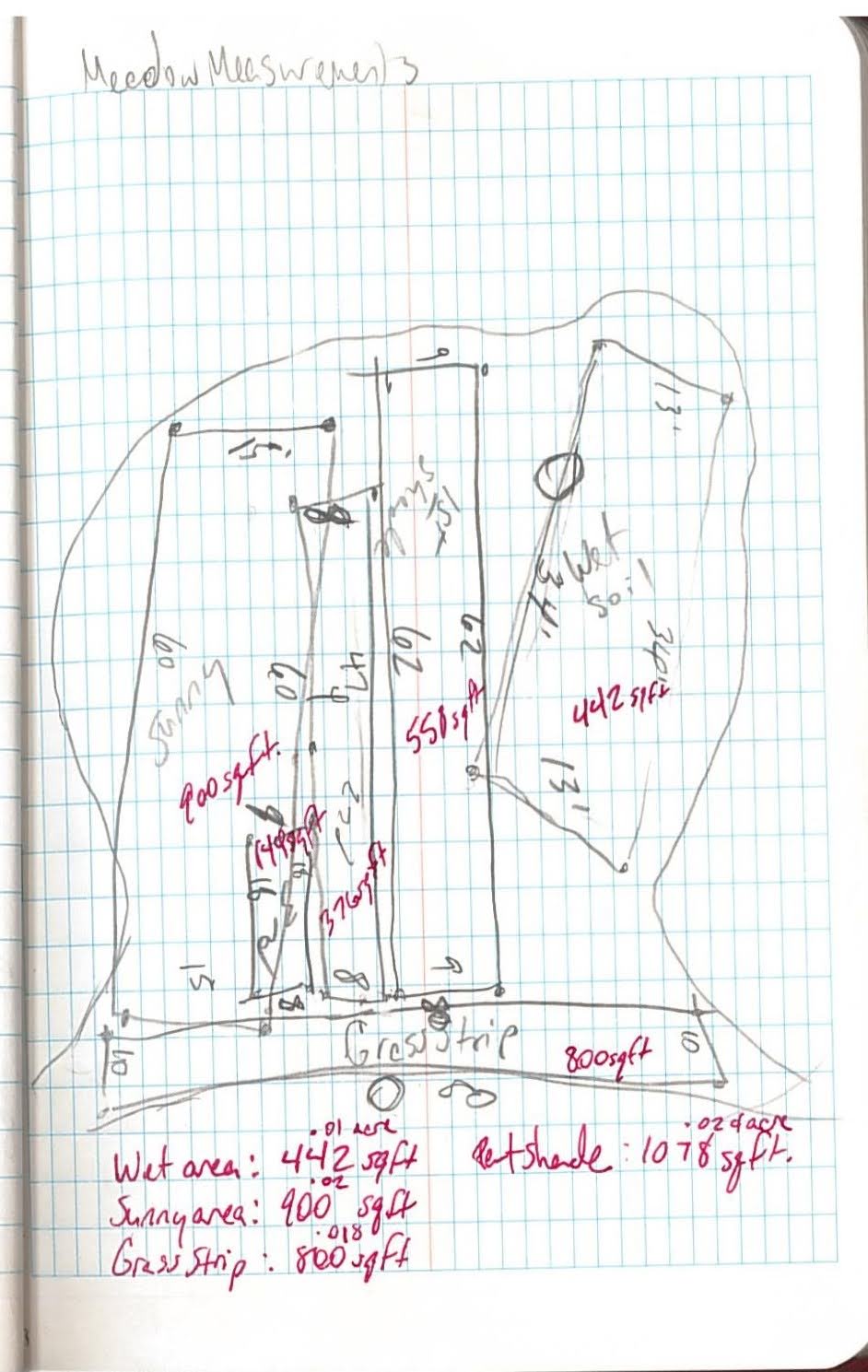
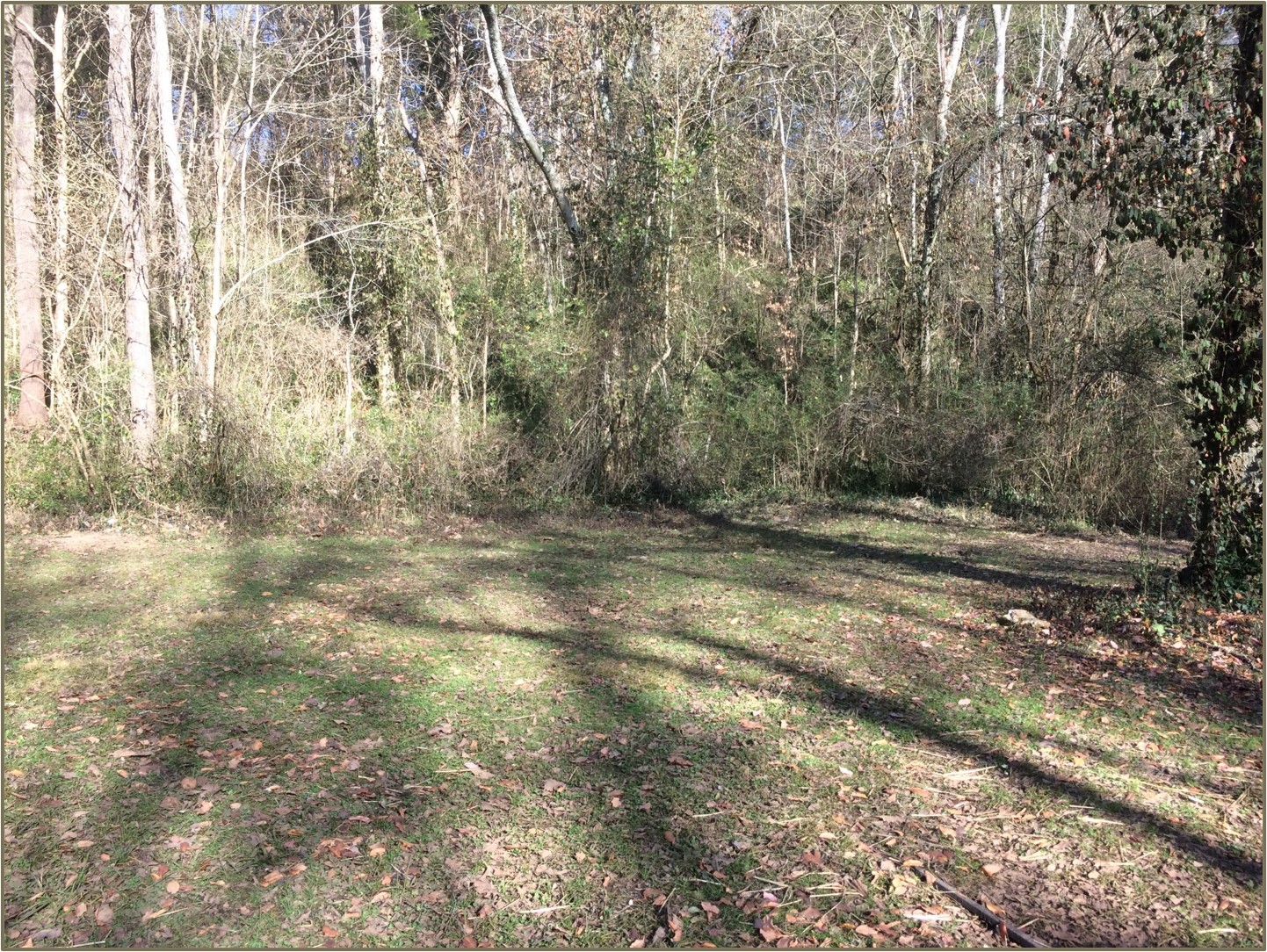
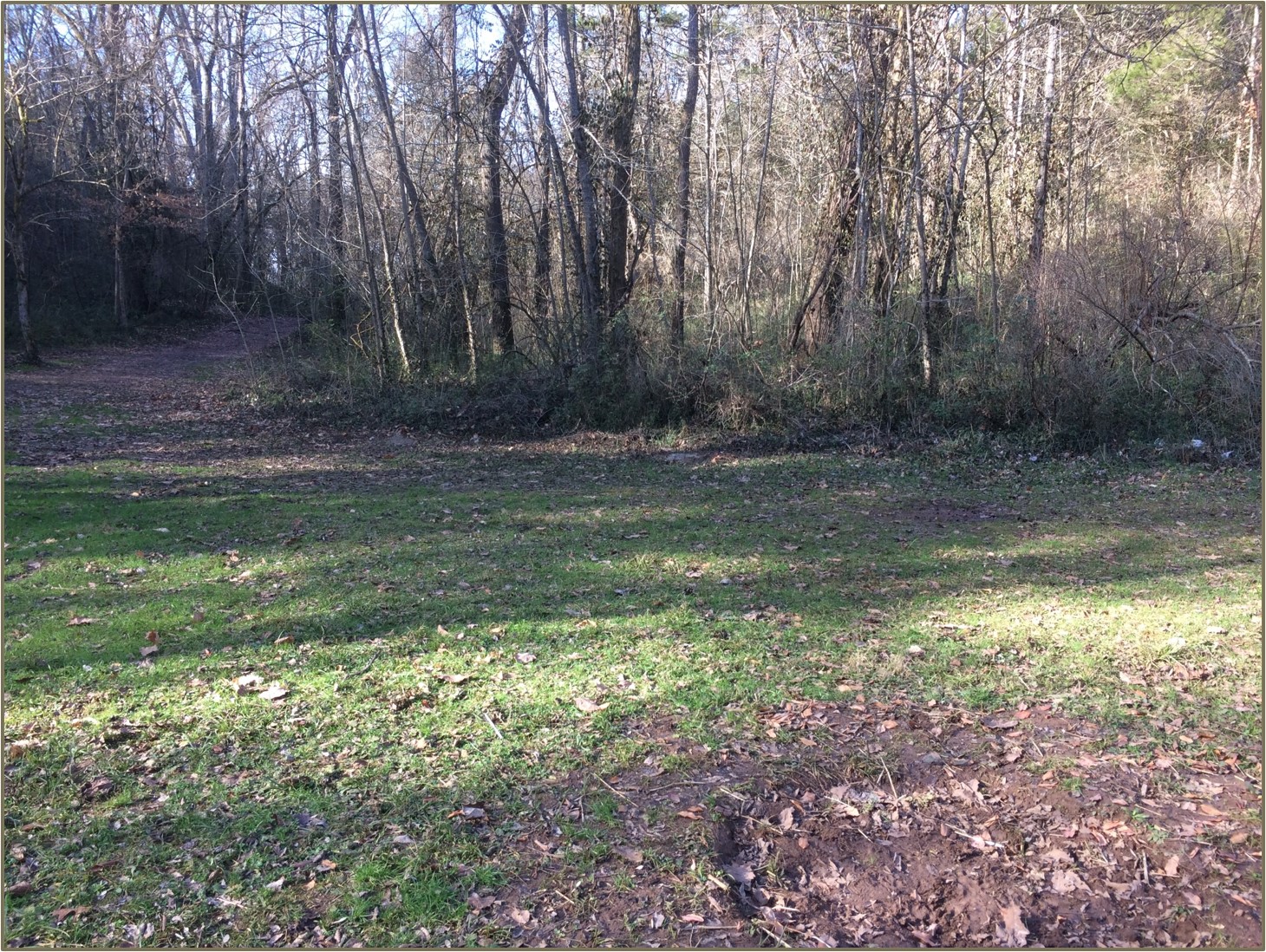
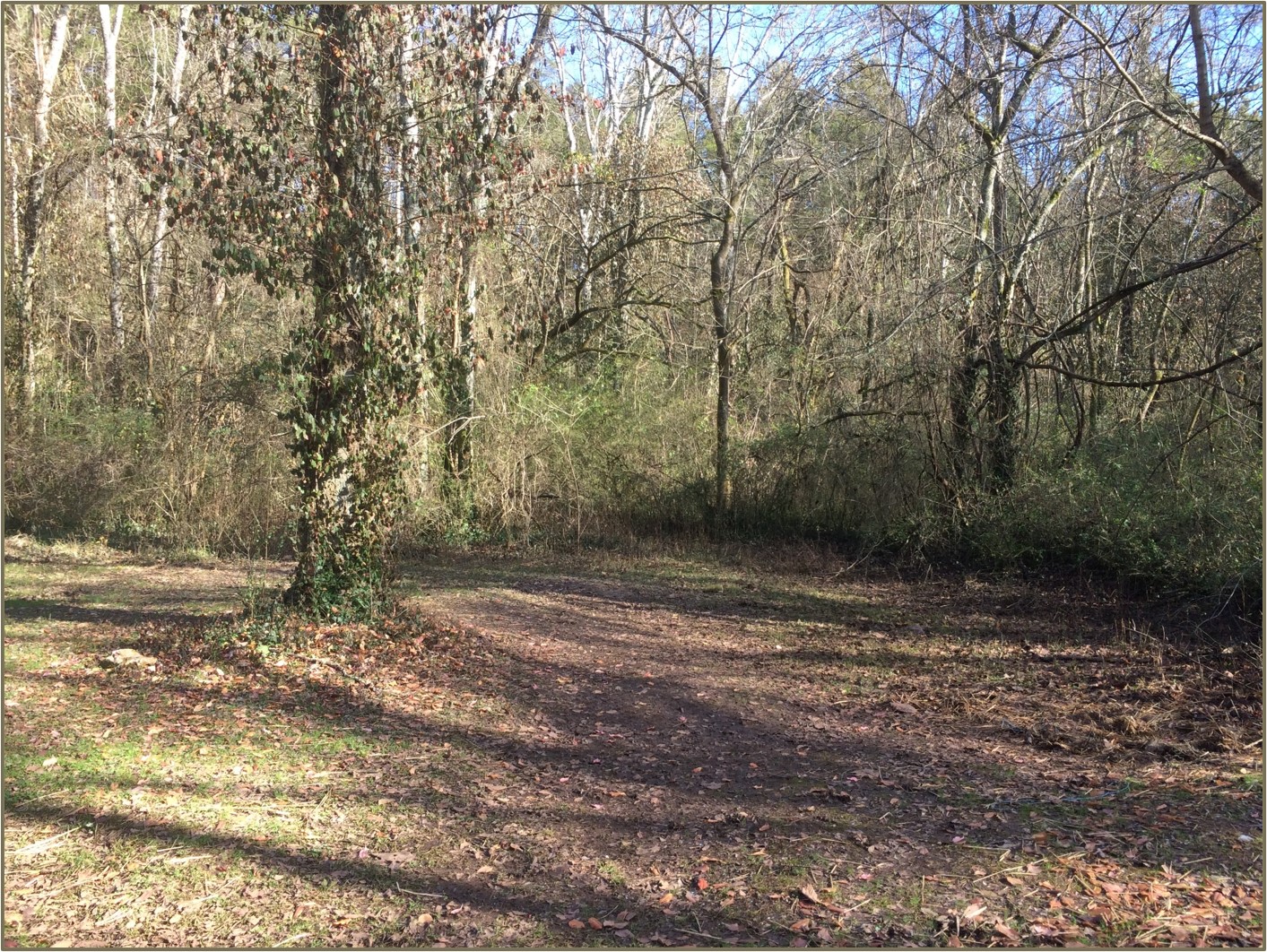
The mowed field had little nutrition for wildlife but was an ideal size and location for a mesic meadow ecosystem. We planned and selected this place to start the restoration.
Winter 2019
Preparing to Plant
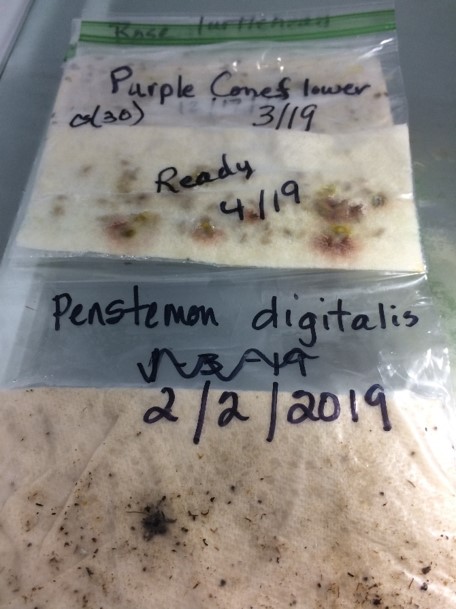
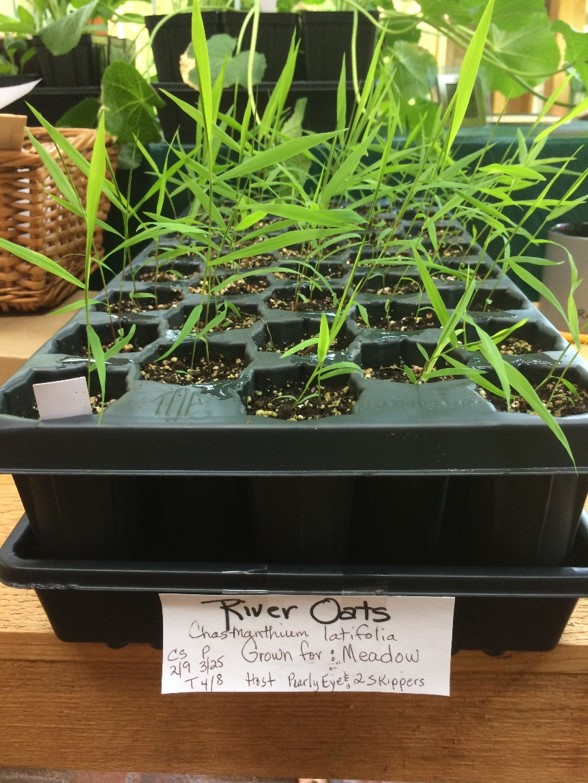
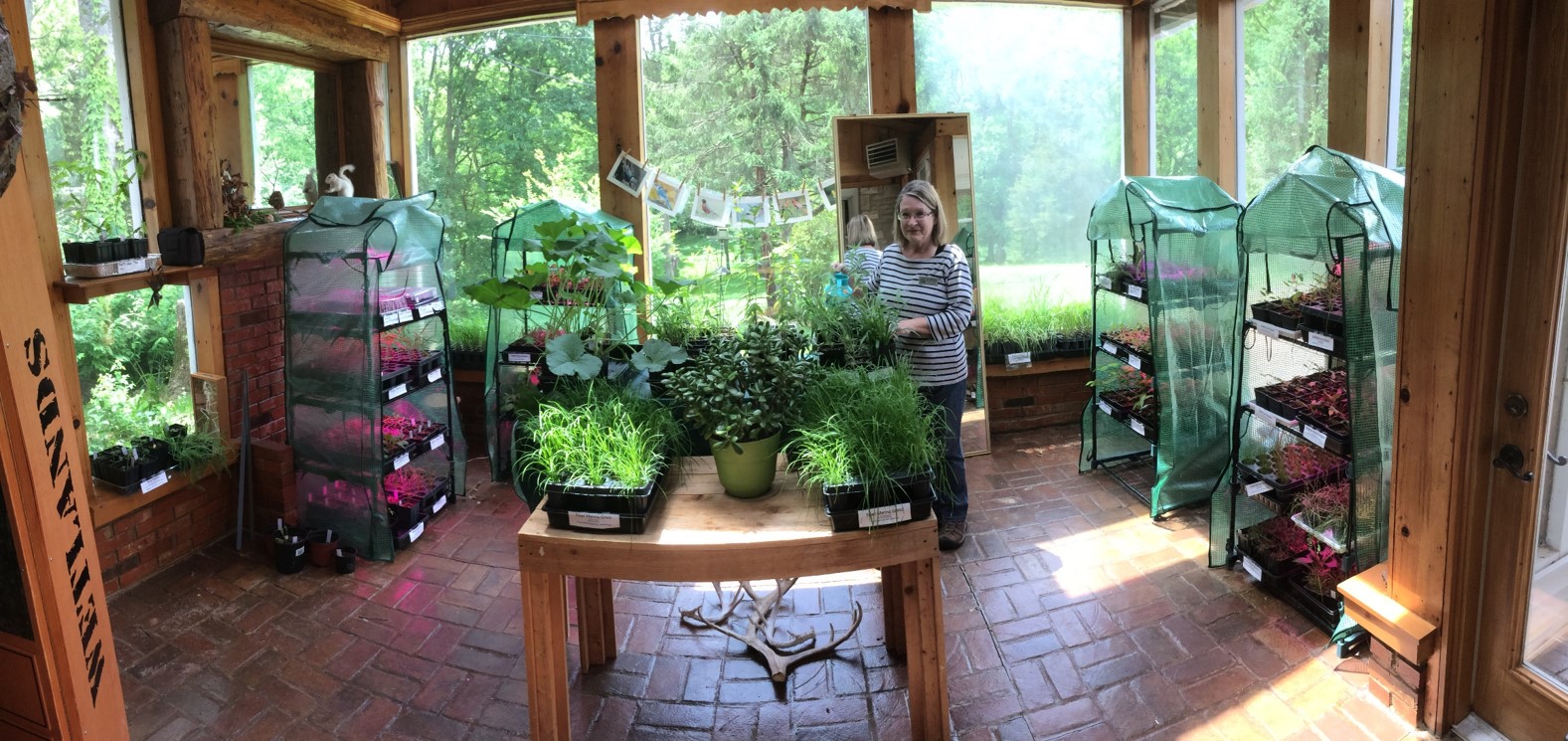
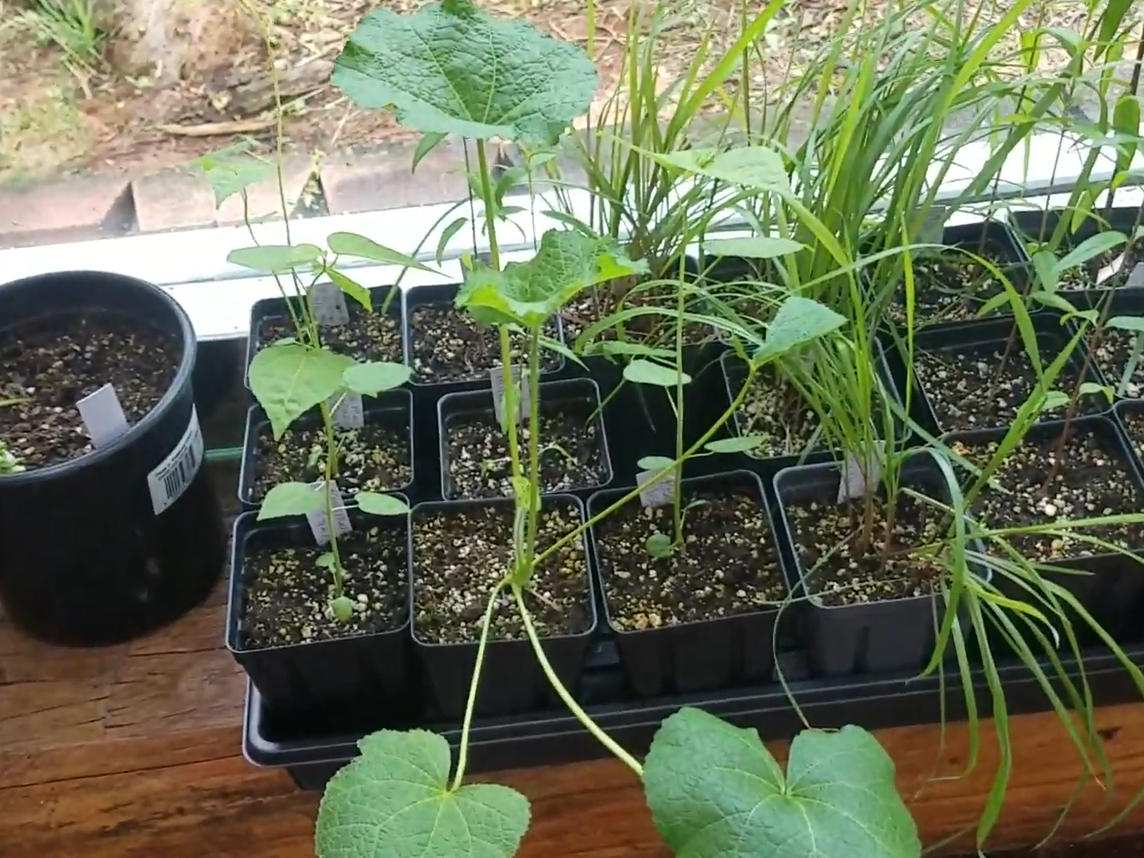
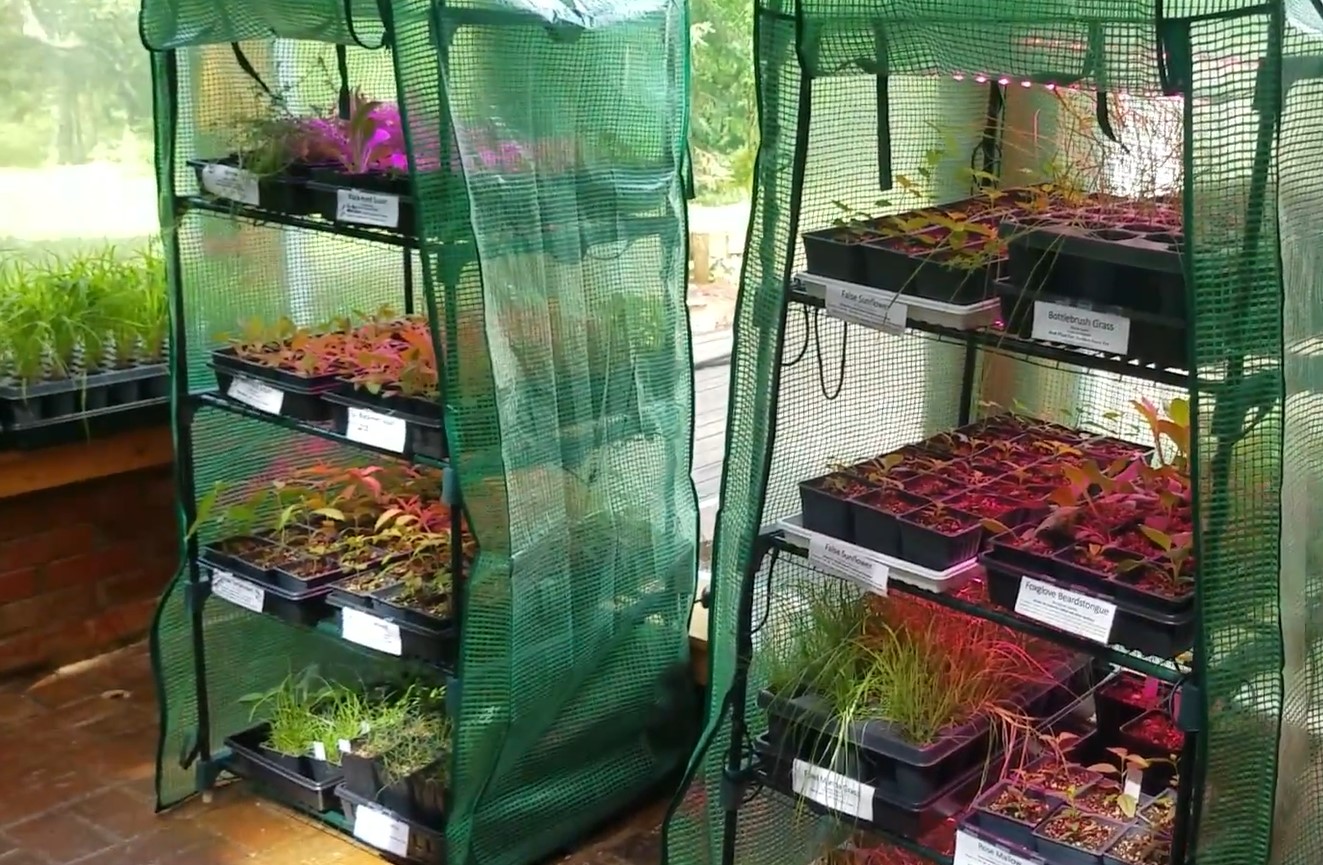
In order to kickstart the ecosystem, we first needed to establish a foundation of native plants. Volunteer Kathee Morgeson personally grew thousands of plants for this effort.
Spring 2019
Planting Days
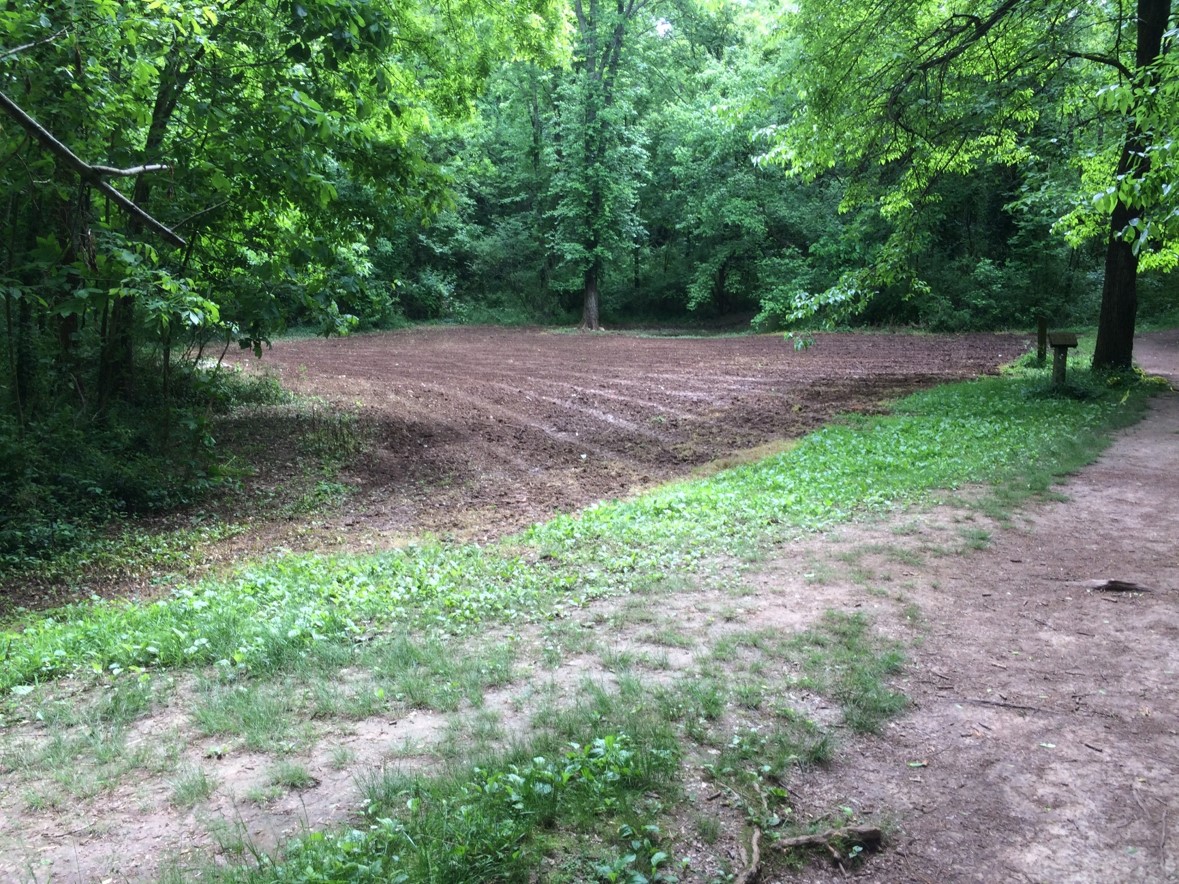
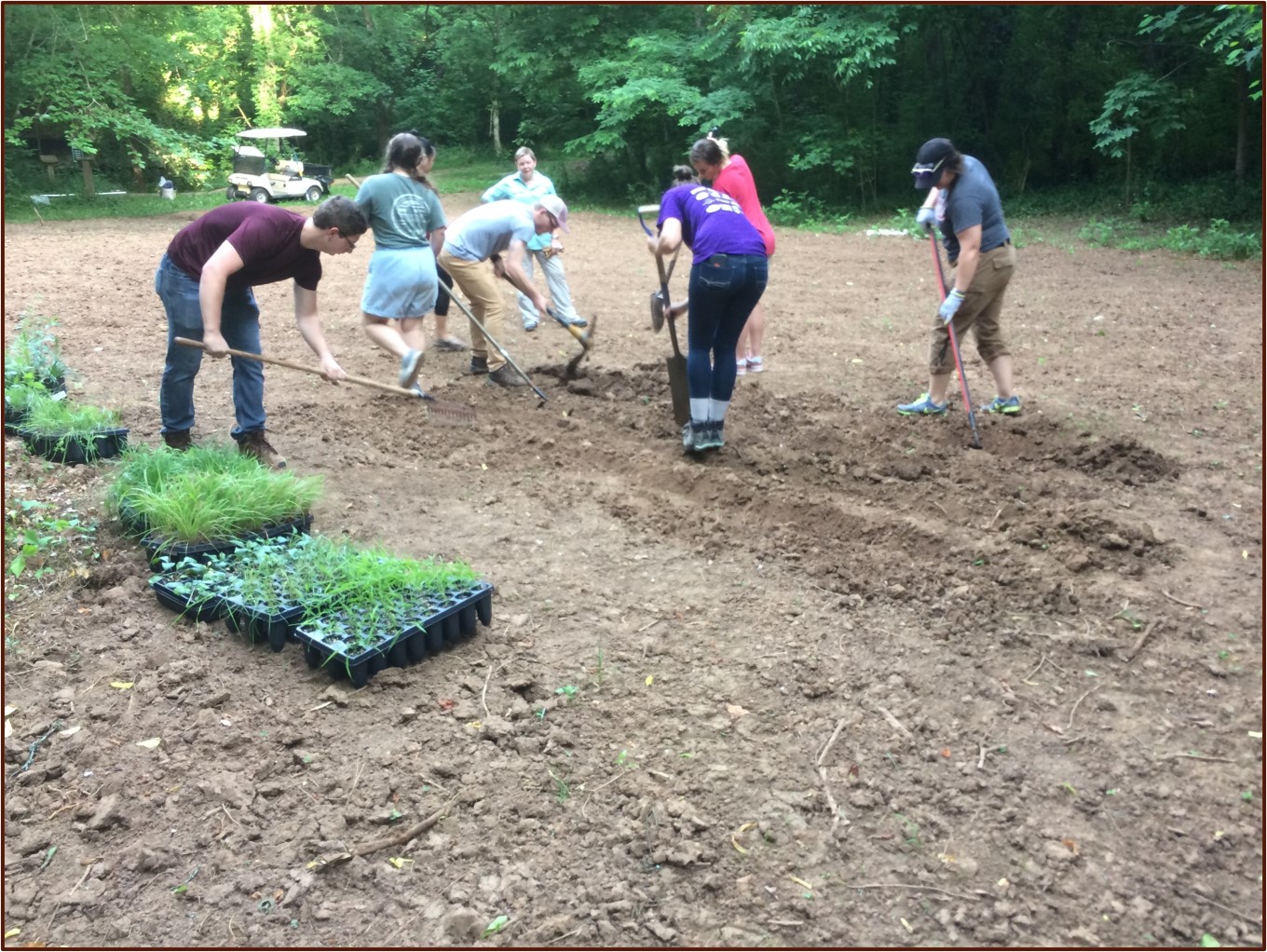
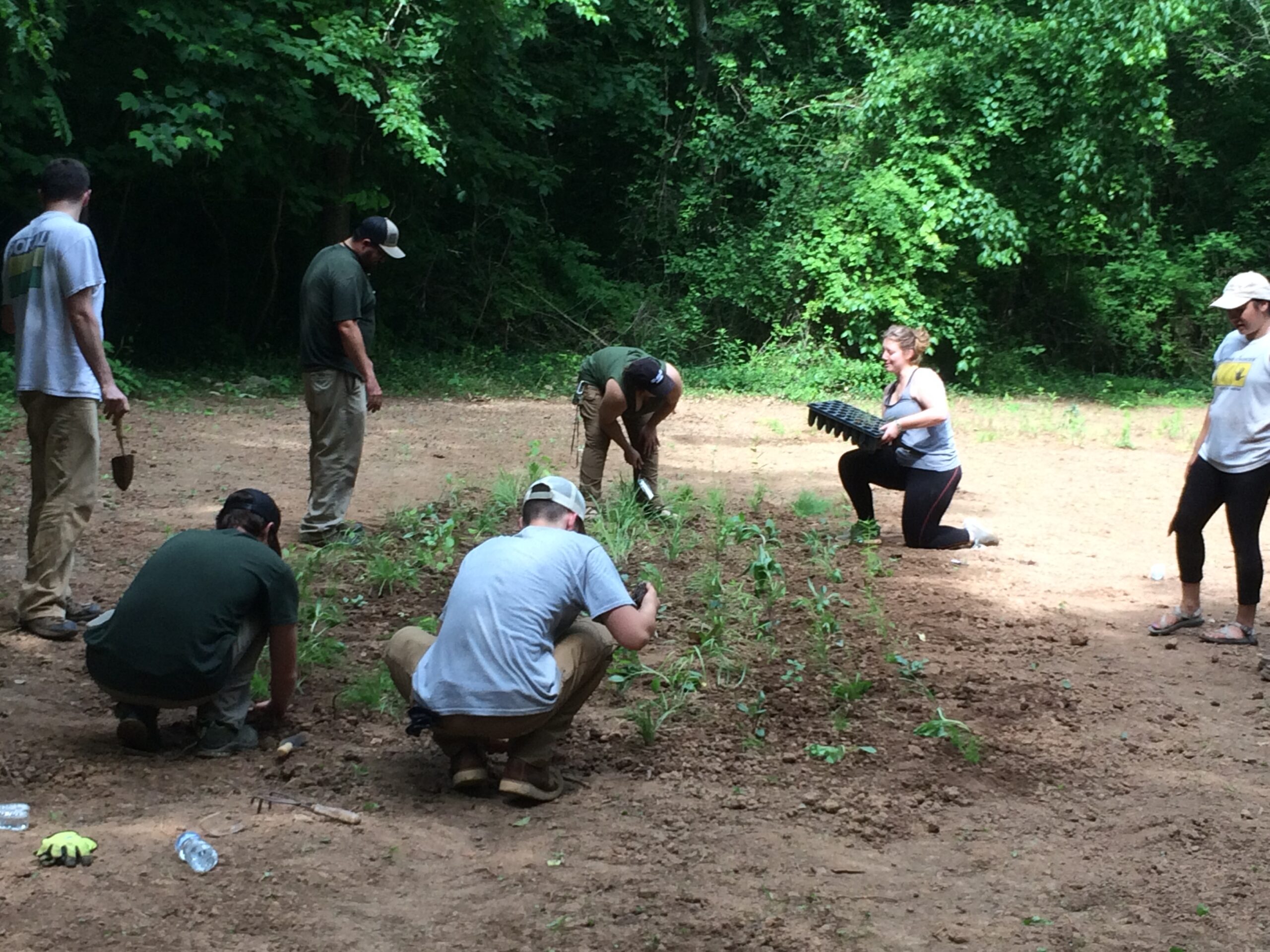
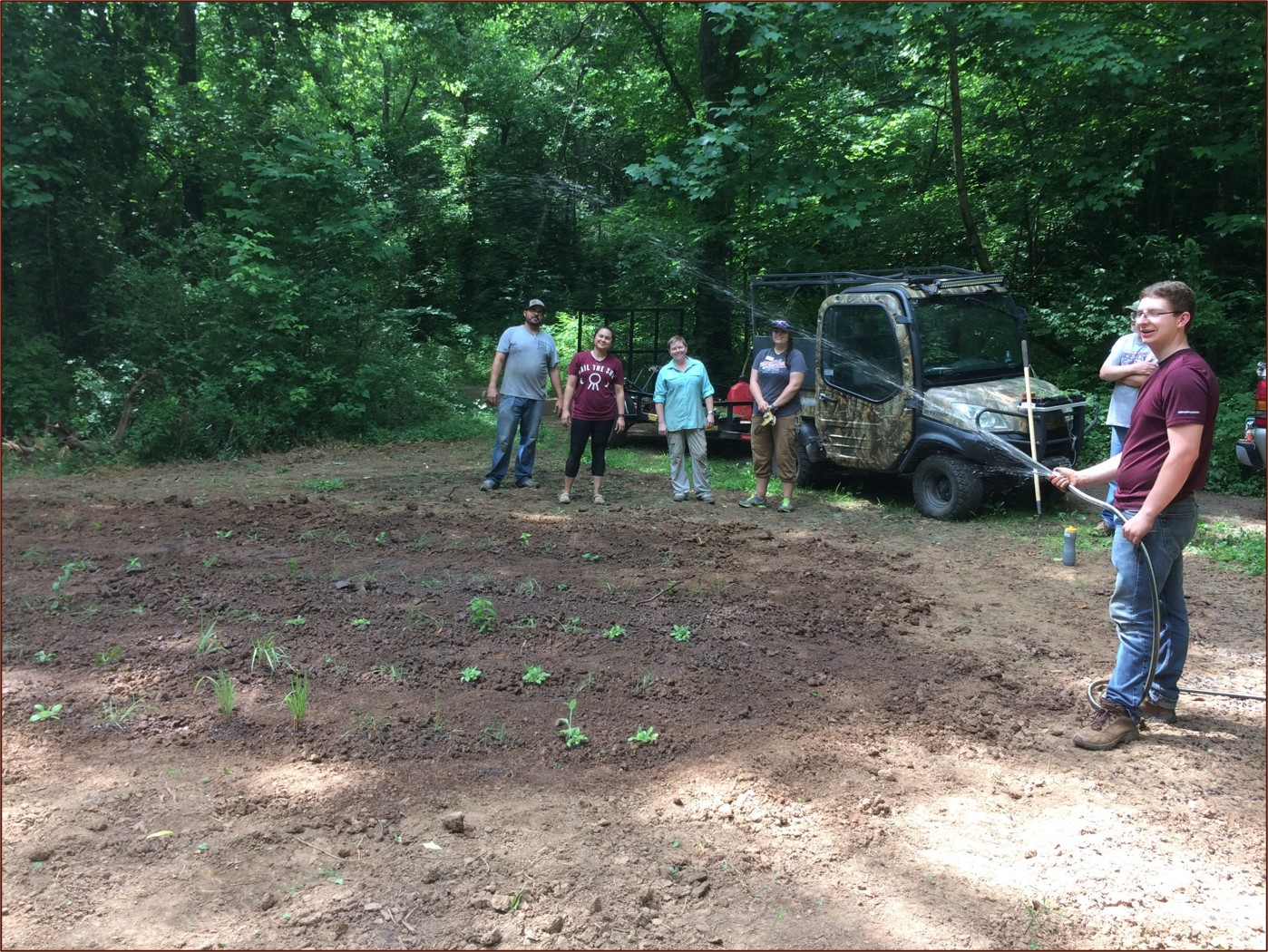
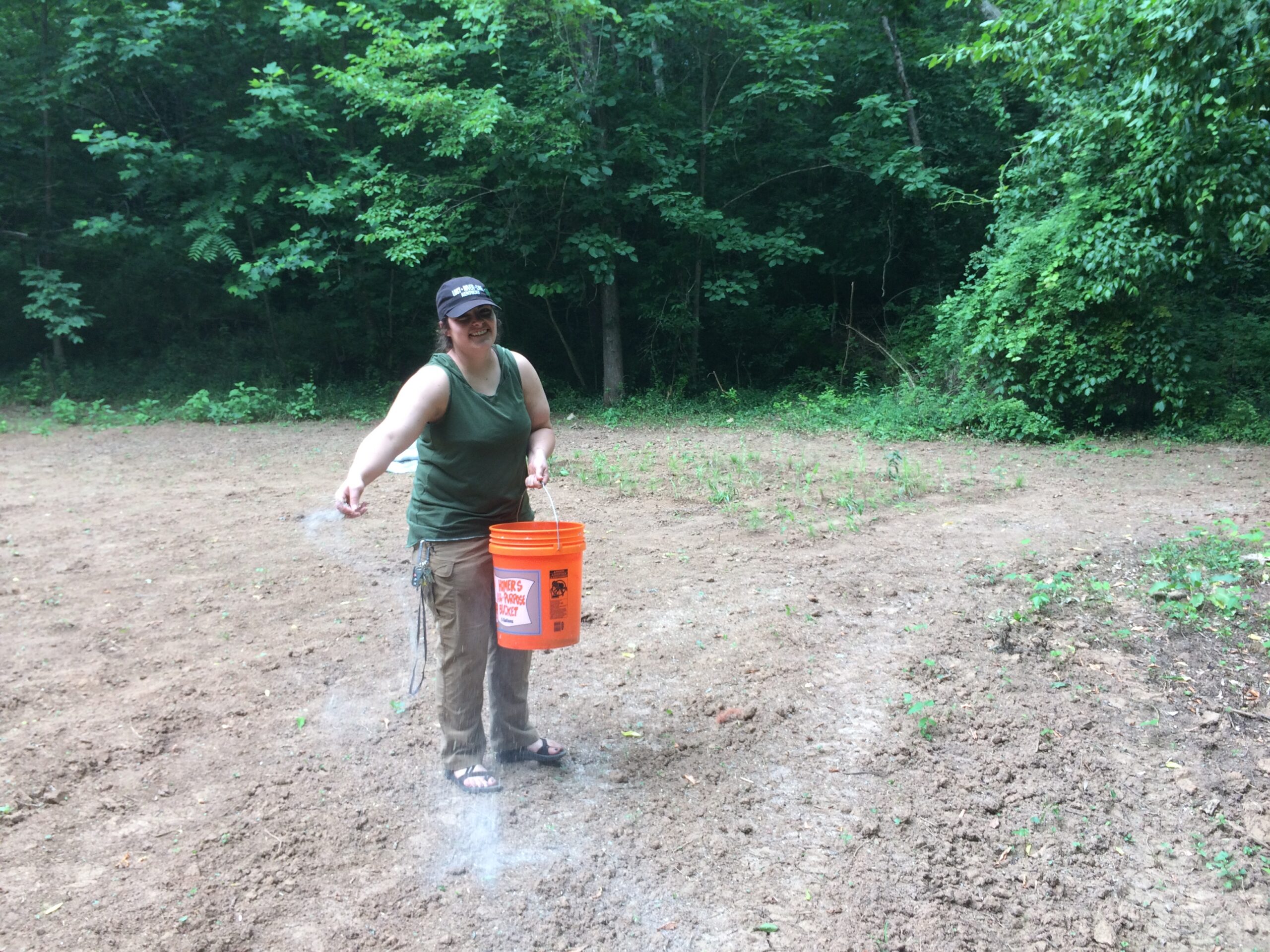
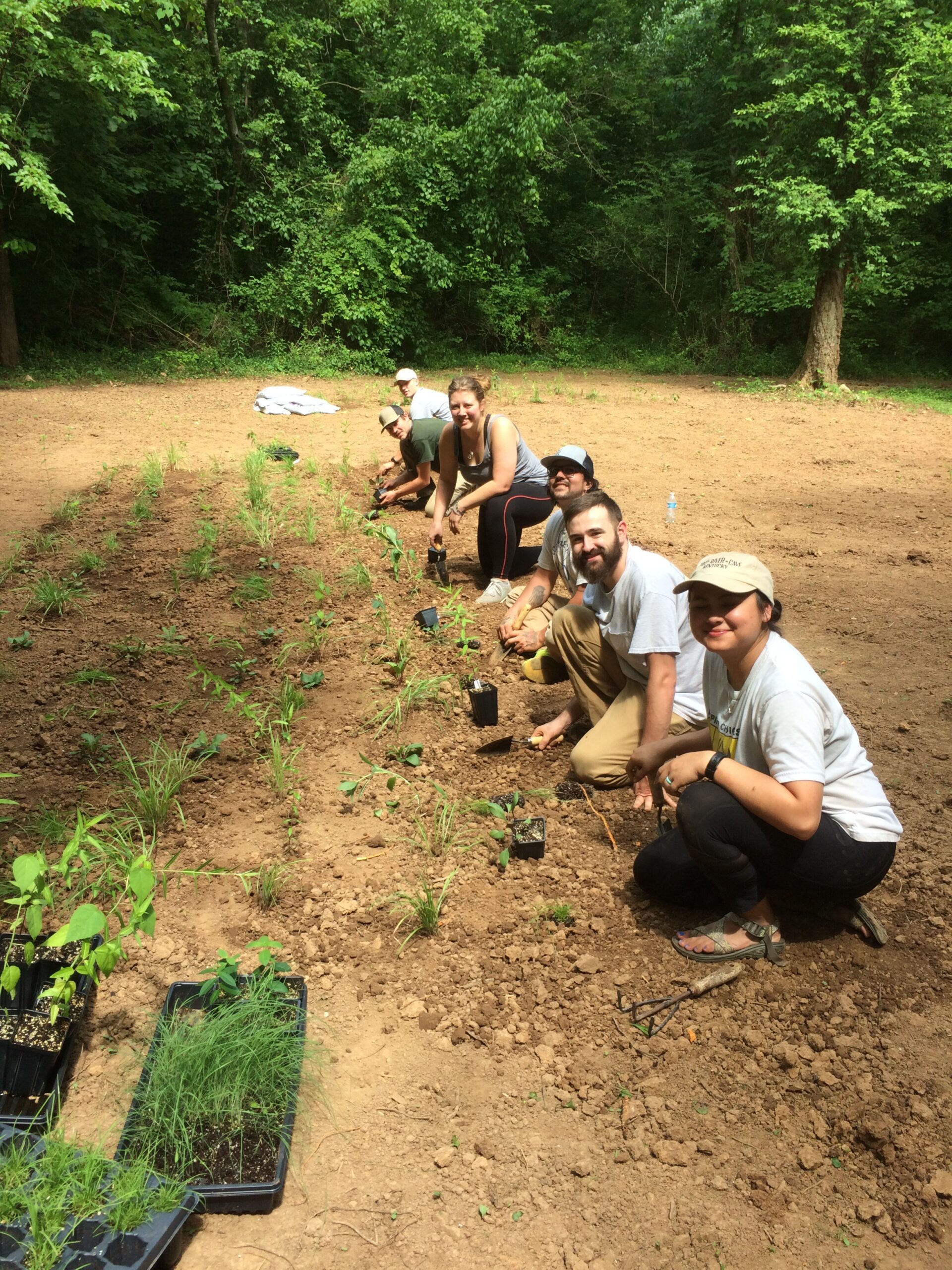
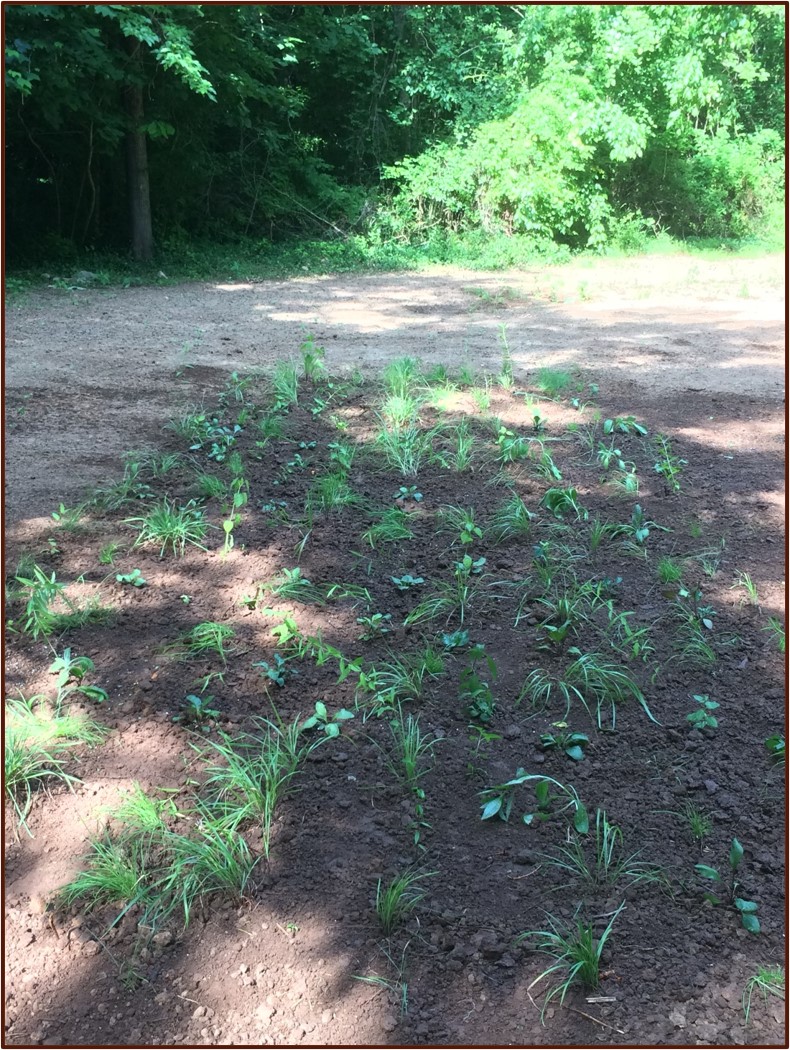
In May 2019, LRC staff and volunteers transplanted thousands of plants into three beds within the meadow area.
Summer - Fall 2019
Pull
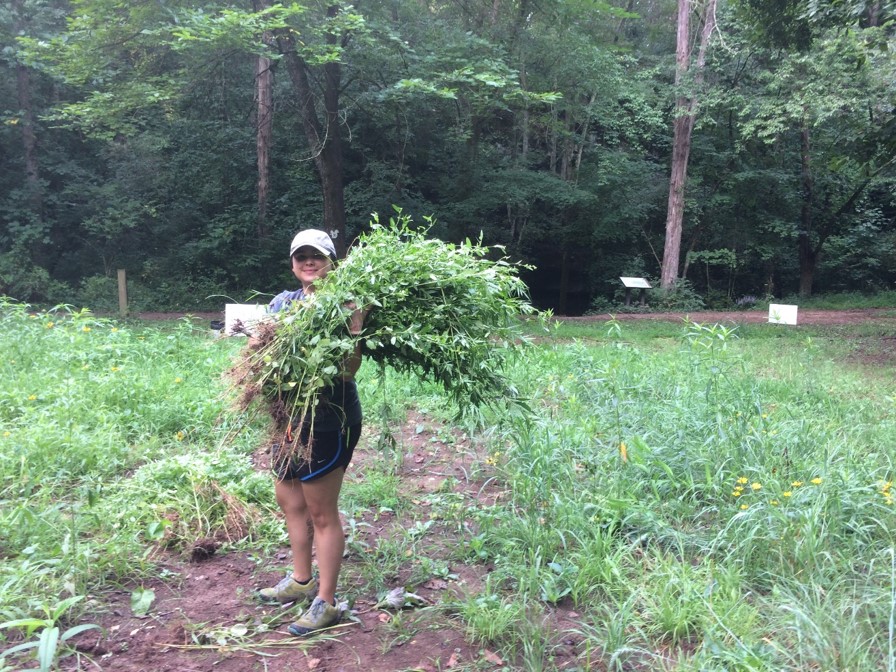
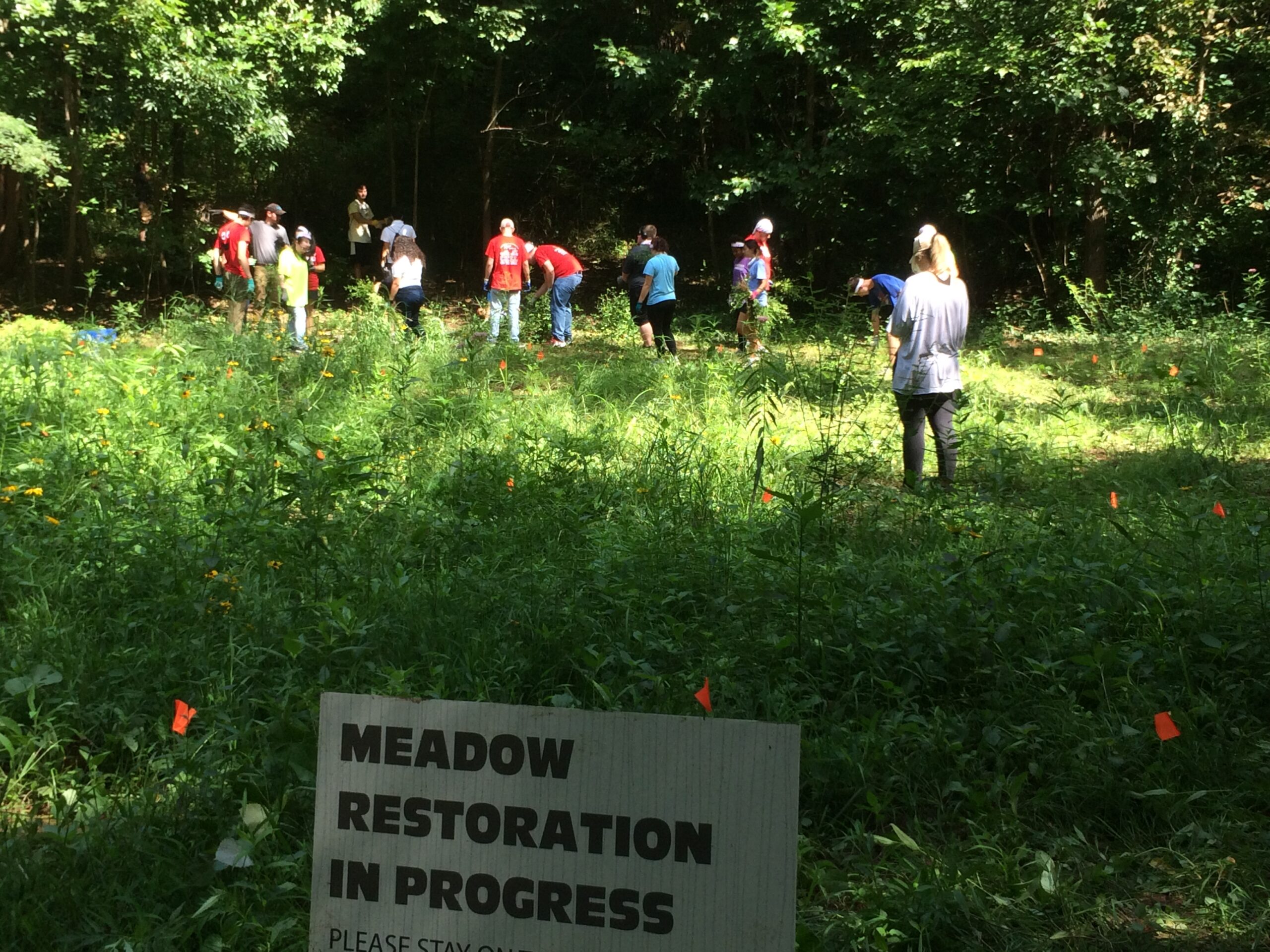
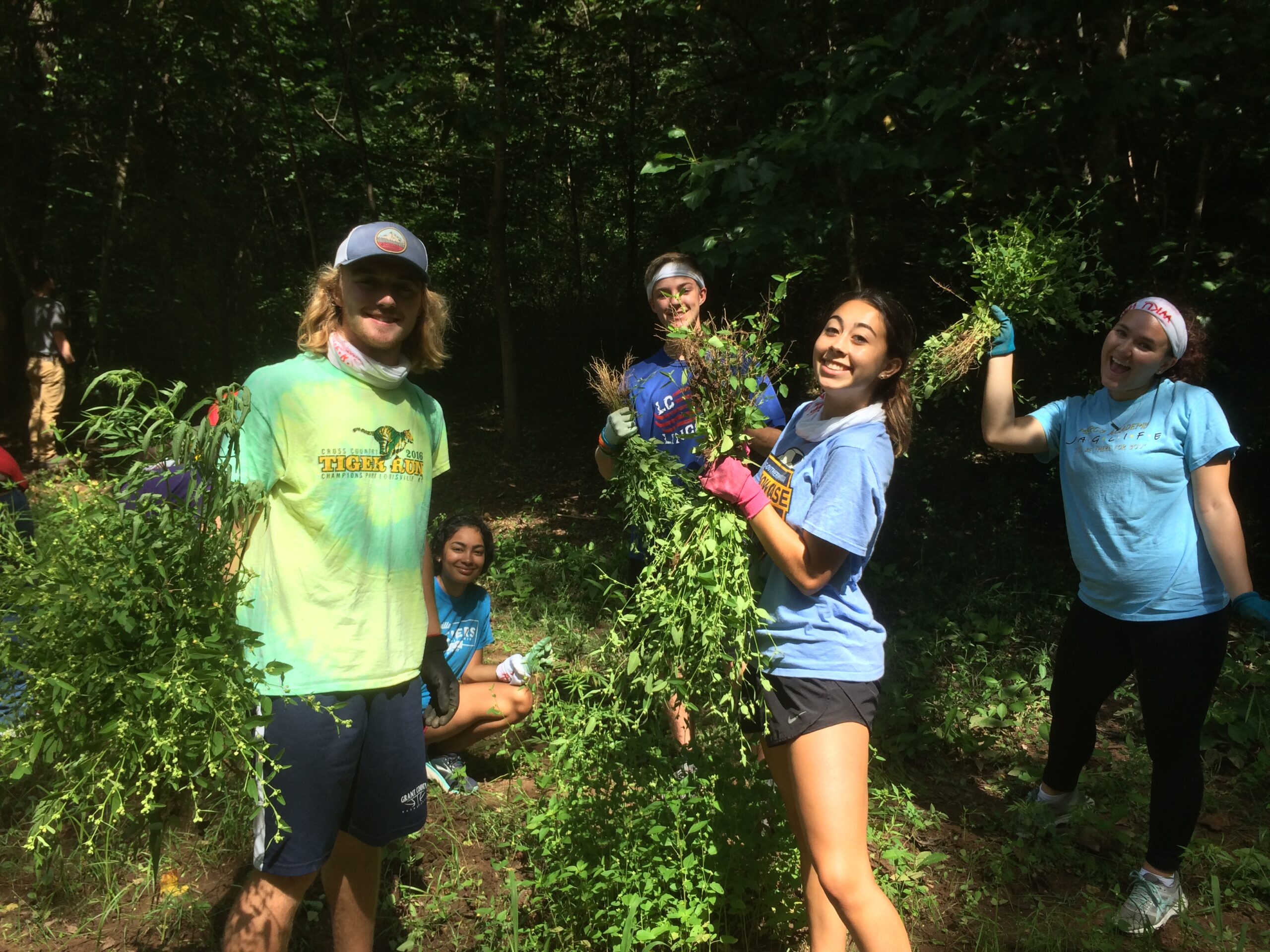
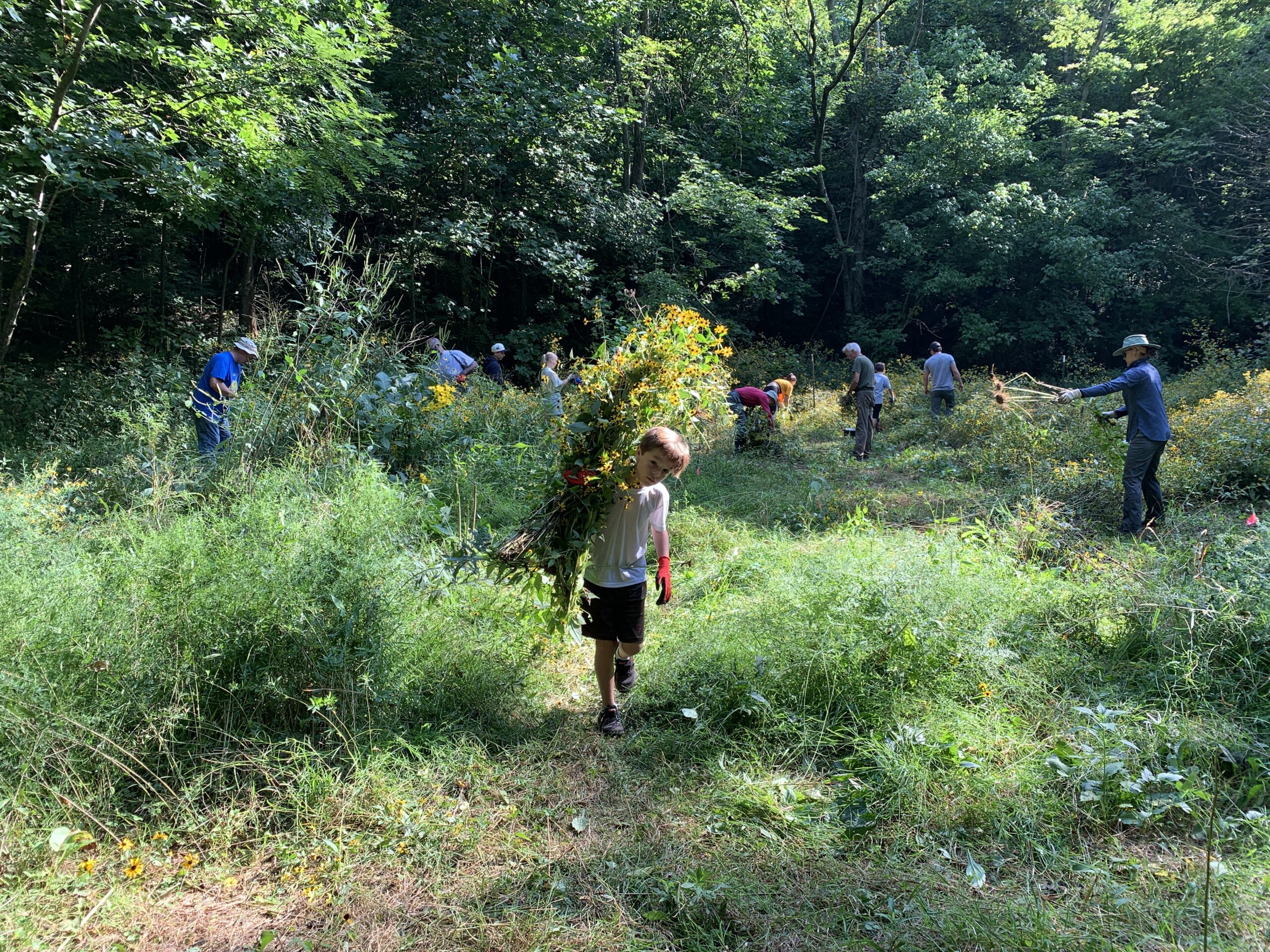
With additional growth came the need for more management. Invasive or aggressive plants needed to be removed to promote healthier plant diversity.
Winter 2019
Preparing for Next Year
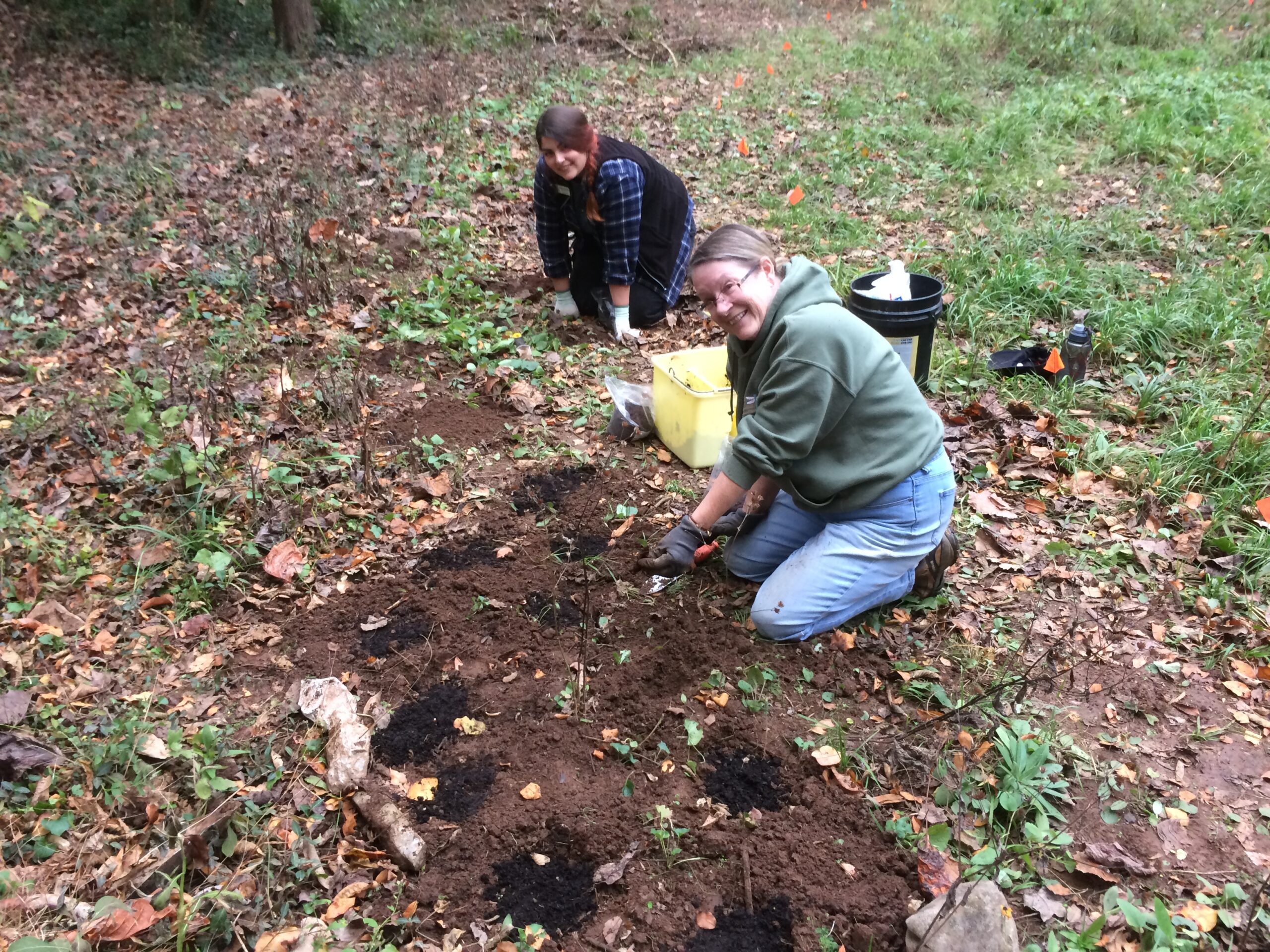
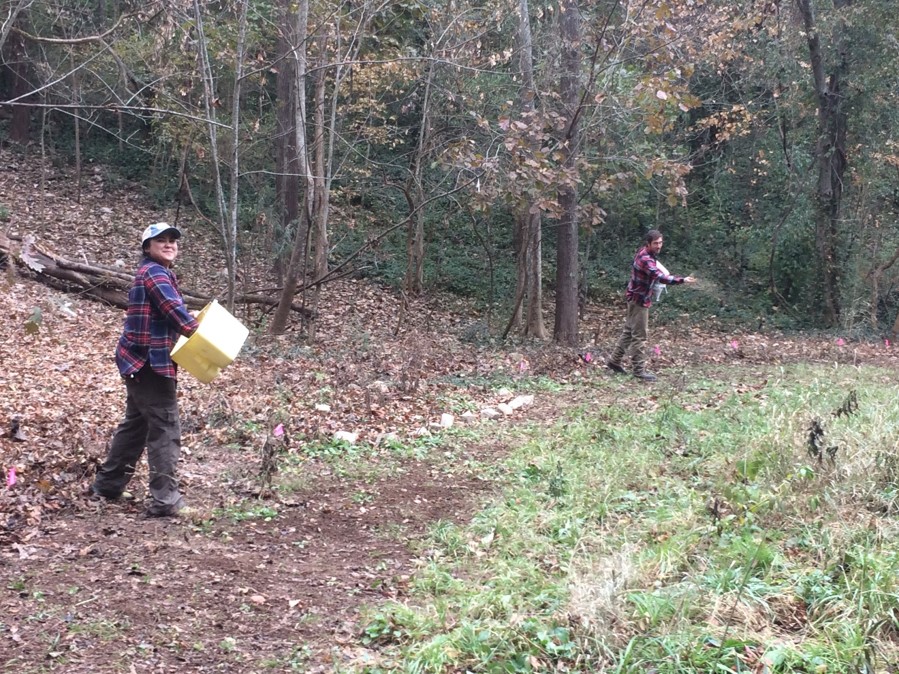
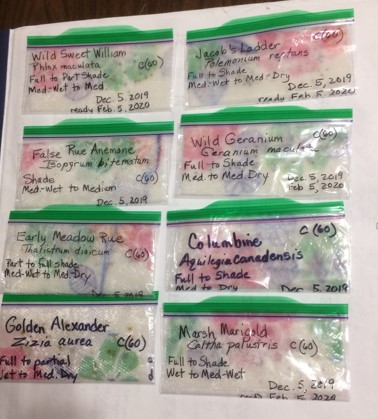
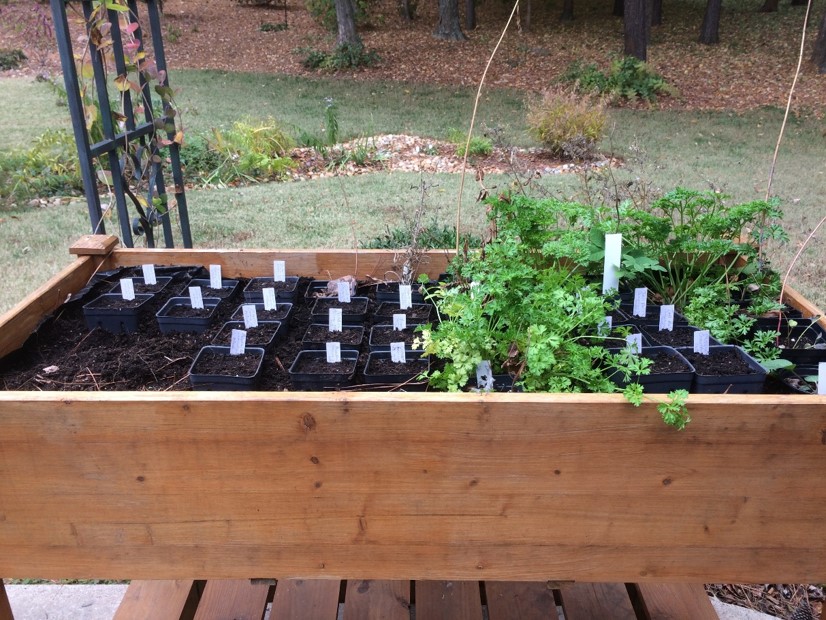
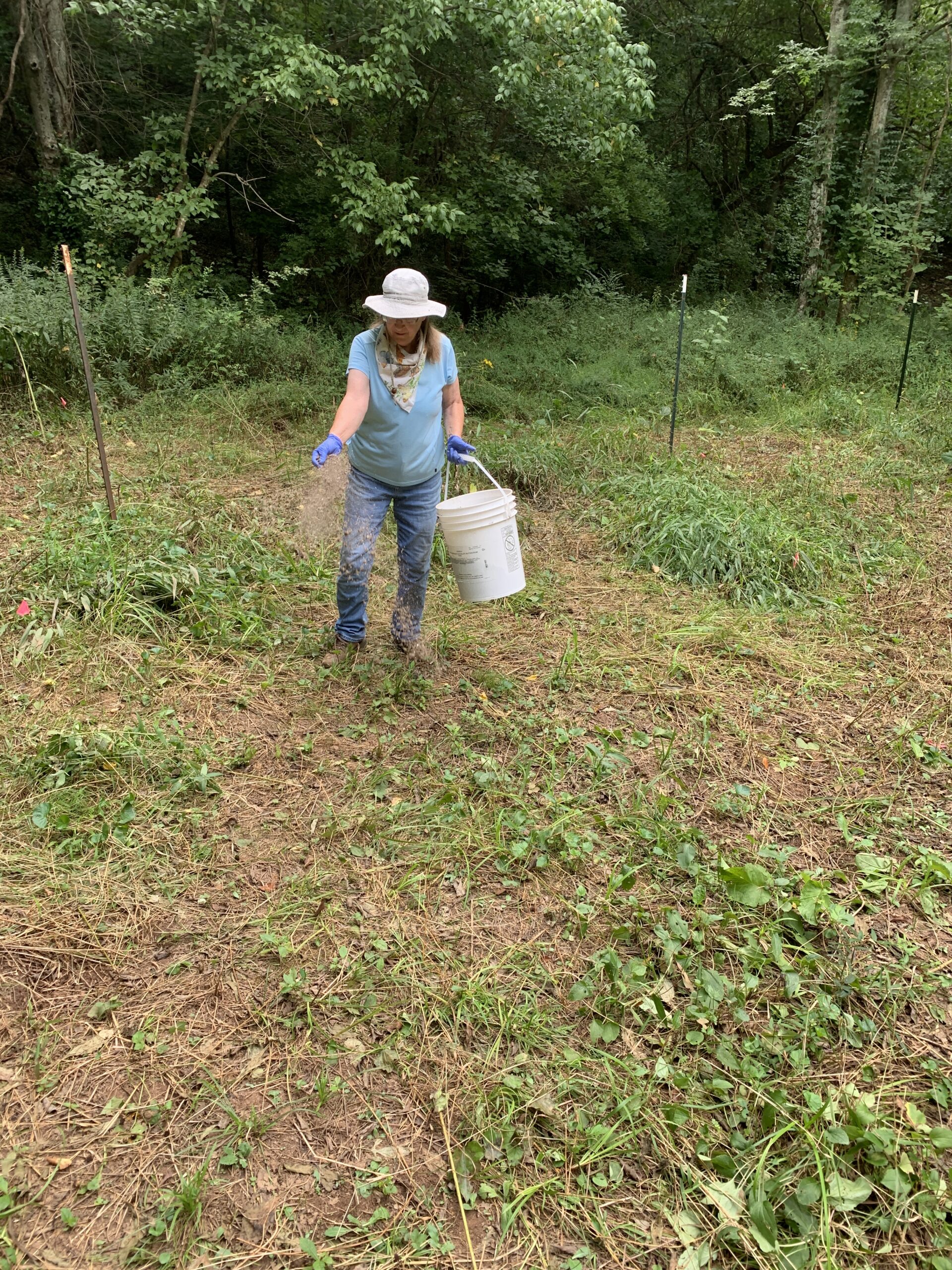
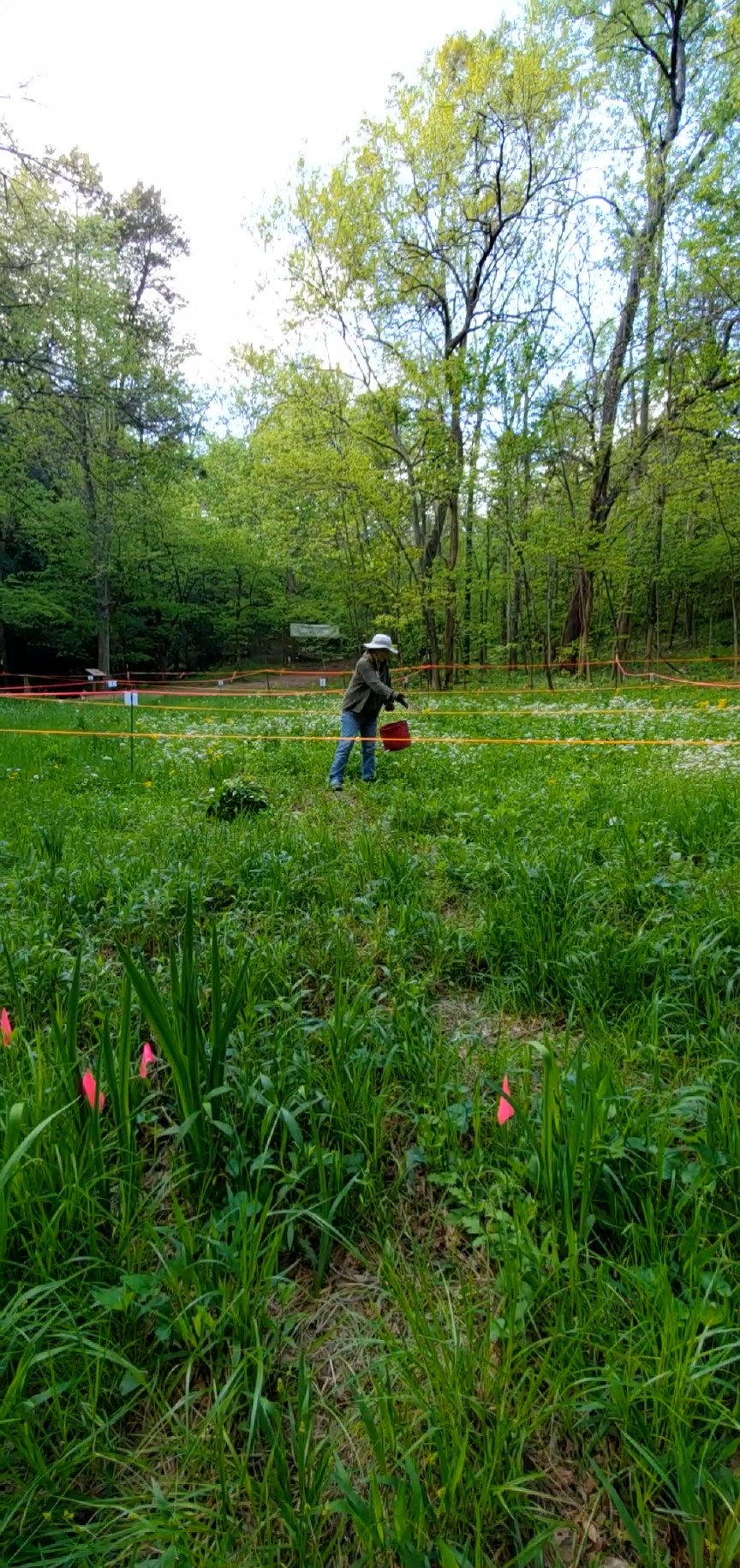
Next steps included planting bare roots of many native grasses and forbs, cold-stratifying seeds over the winter, and spouting new seedlings for transplant.
2020
Covid Opportunities
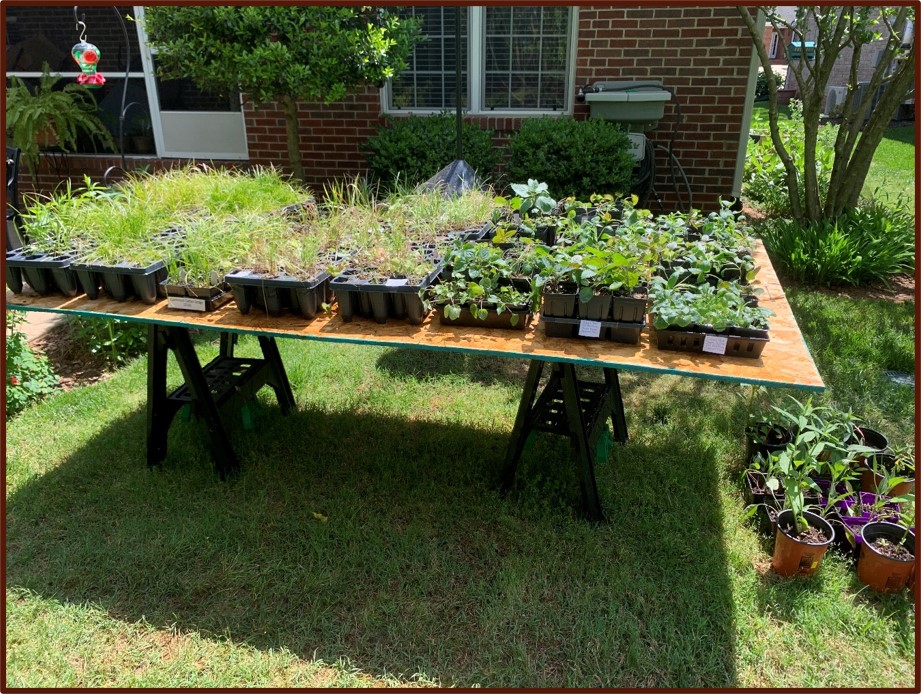
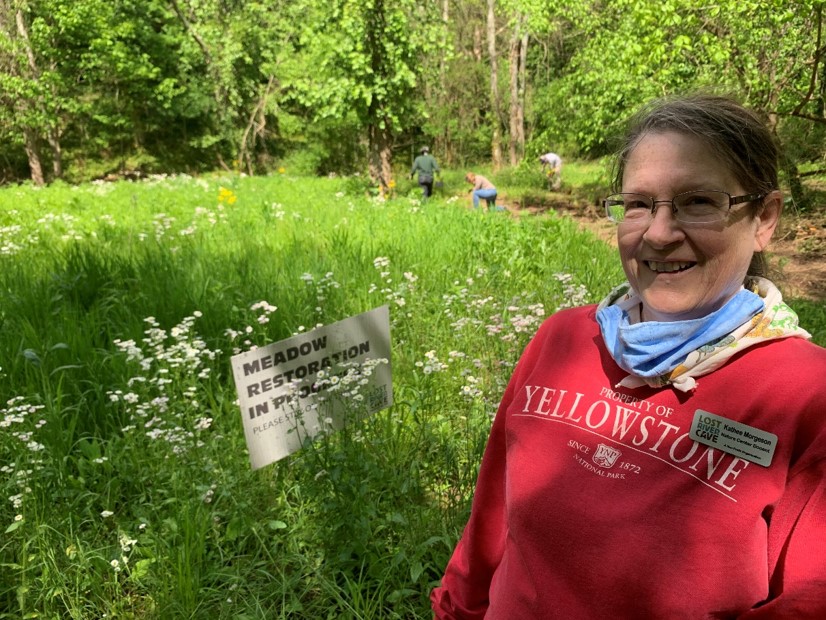
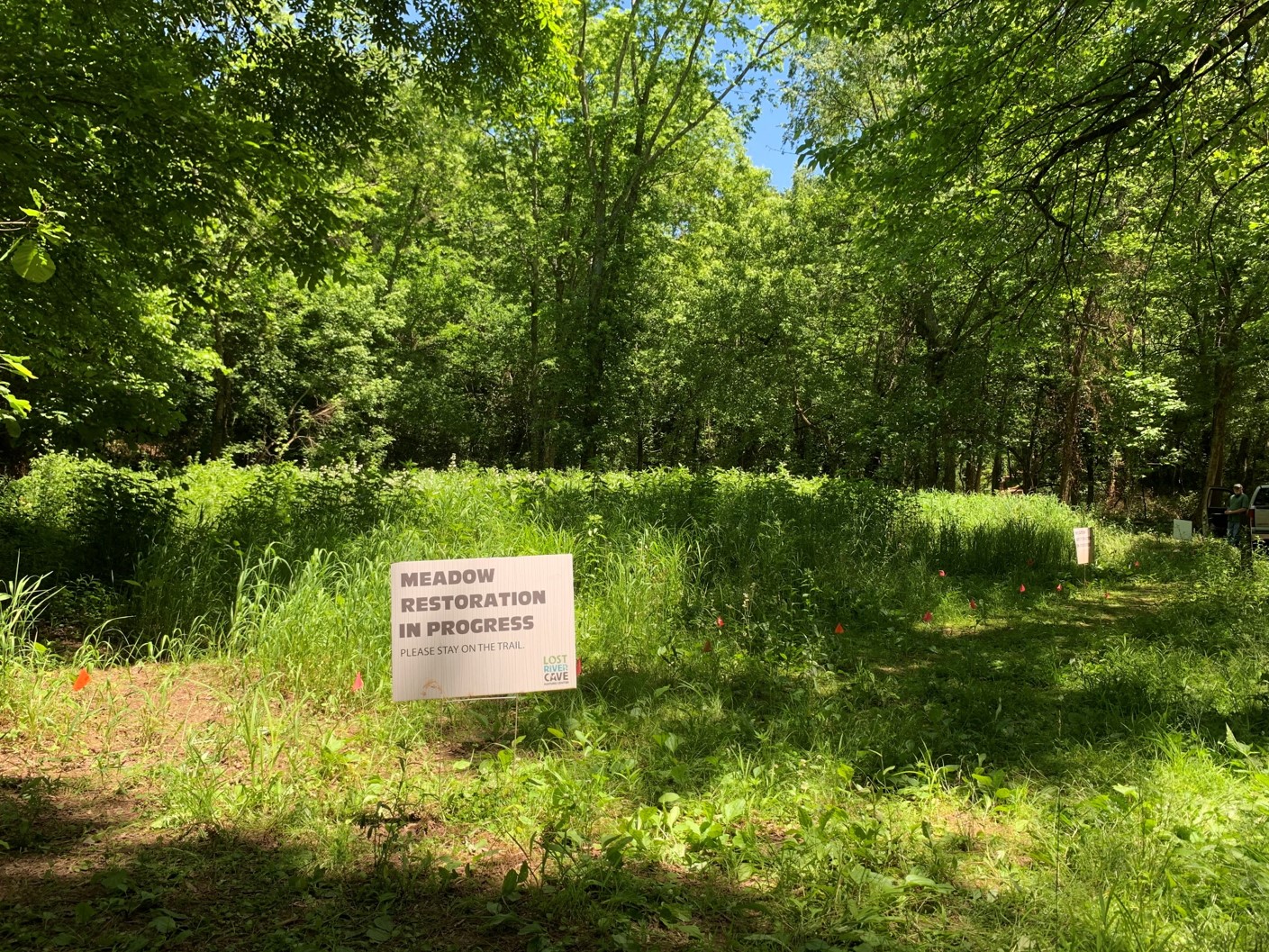
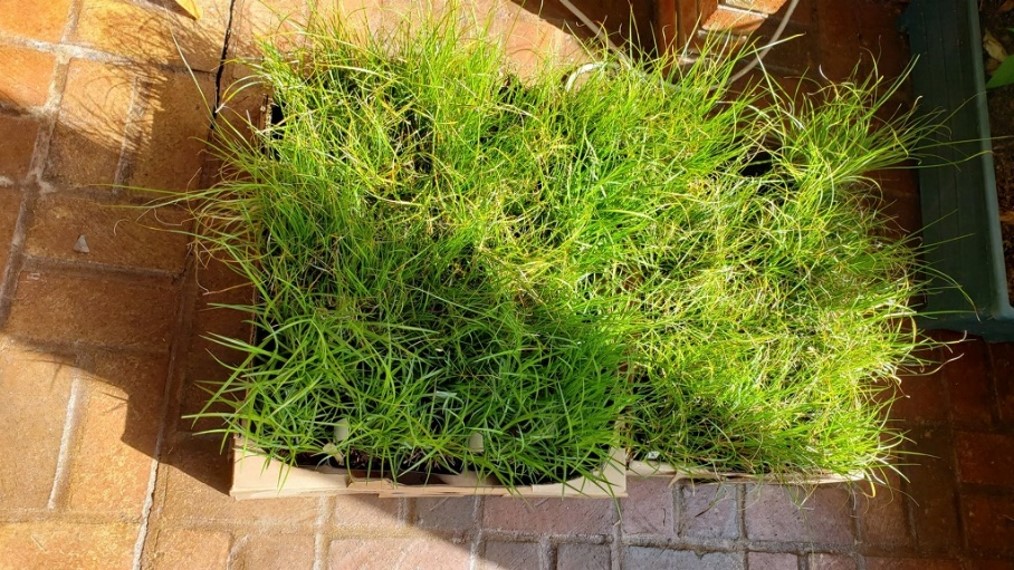
Plants still grow, even during a pandemic. While our methods of gathering and communicating changed, the meadow continued to heal.
2021
Volunteers Come
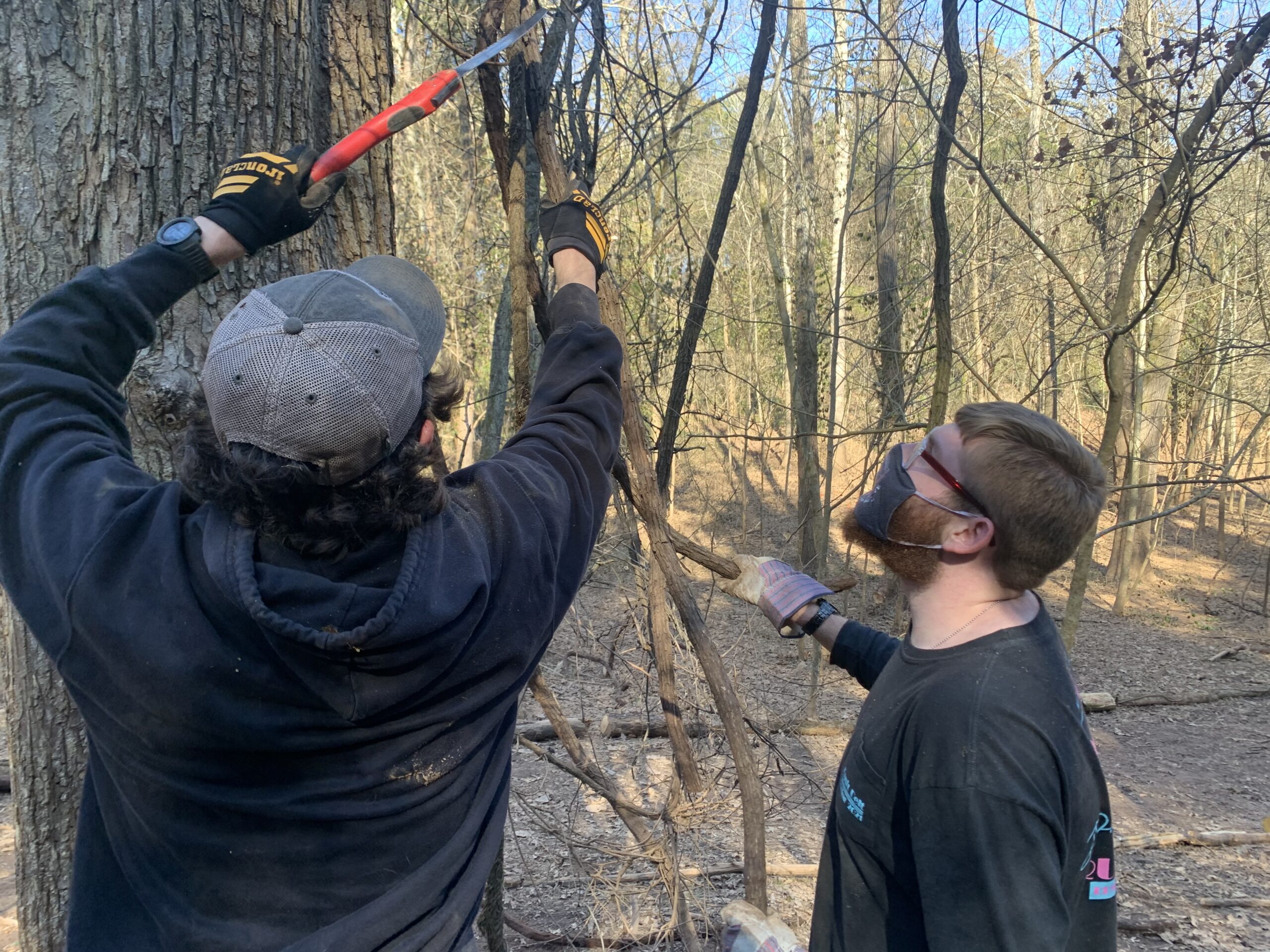
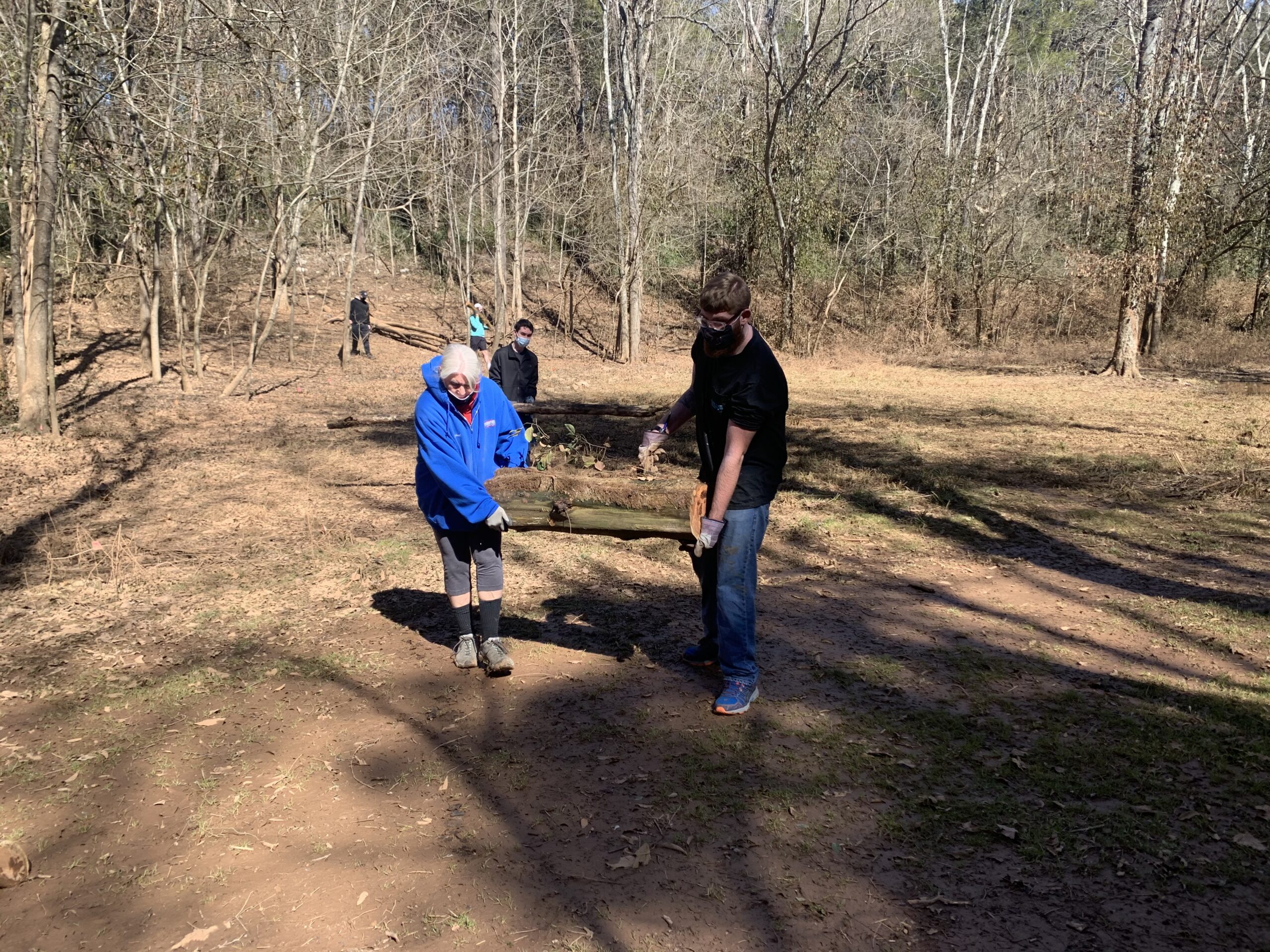
In the Spring, small numbers of volunteers came to help remove invasive wintercreeper vines from trees near the meadow.
2022
BioBlitz
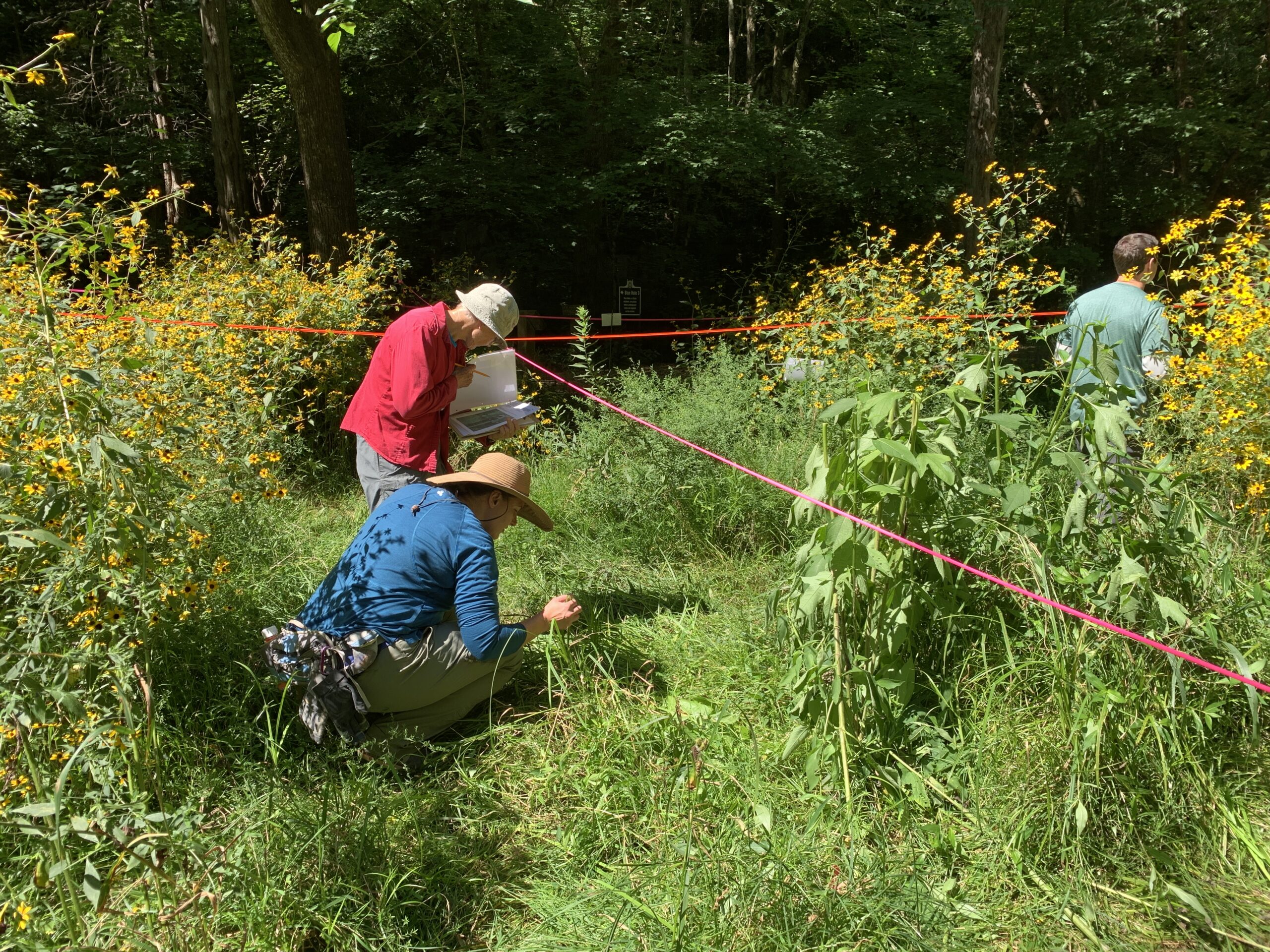
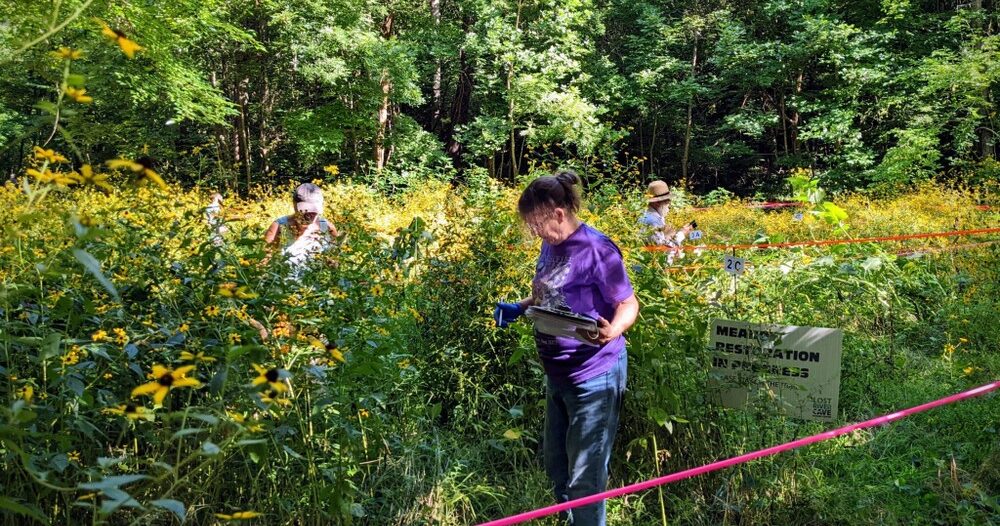
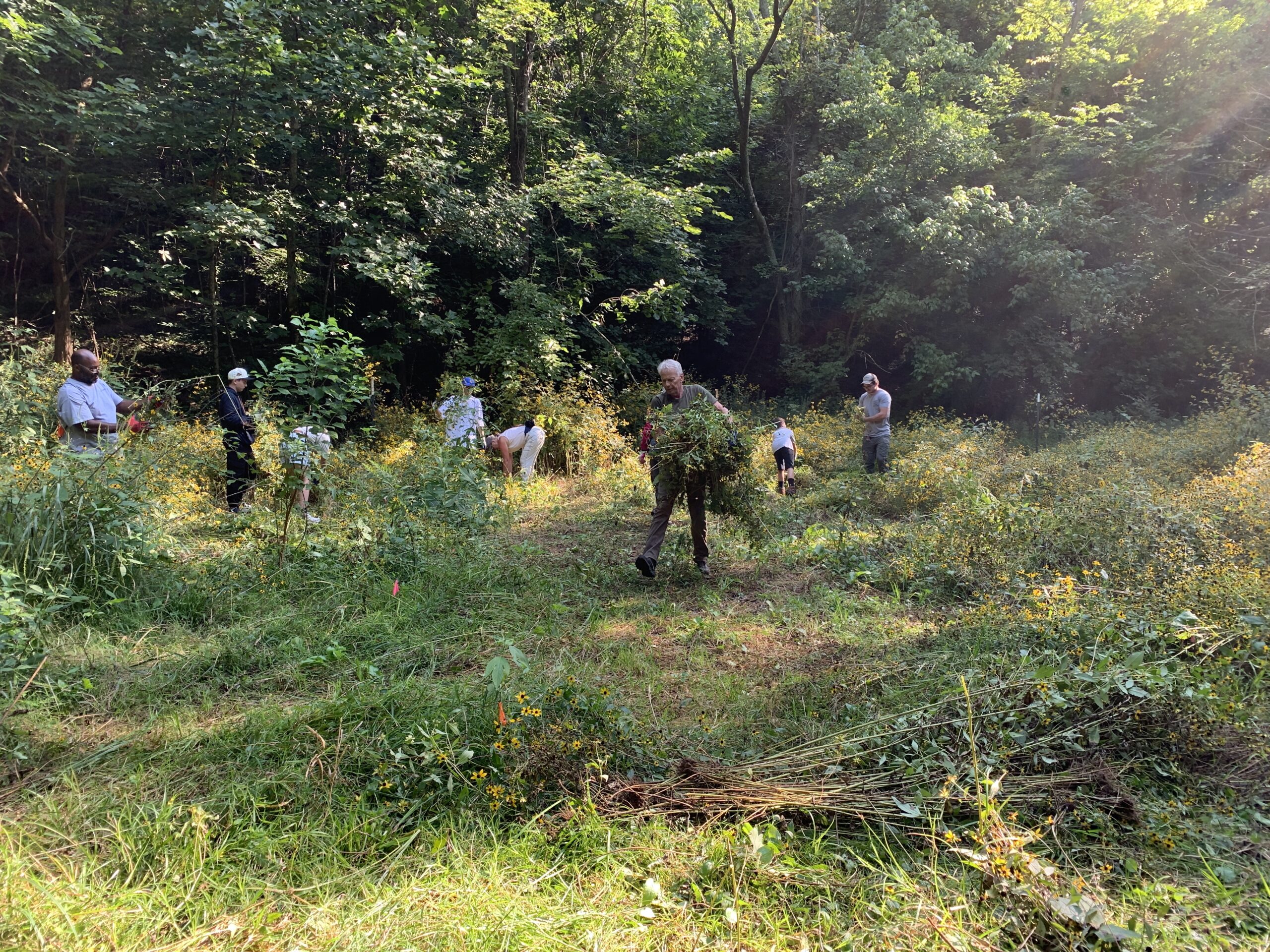
A BioBlitz is a simple presence/absence survey to track which plants were become established in the meadow. This strategy helped better measure progress.
Ongoing Efforts
The Work Continues
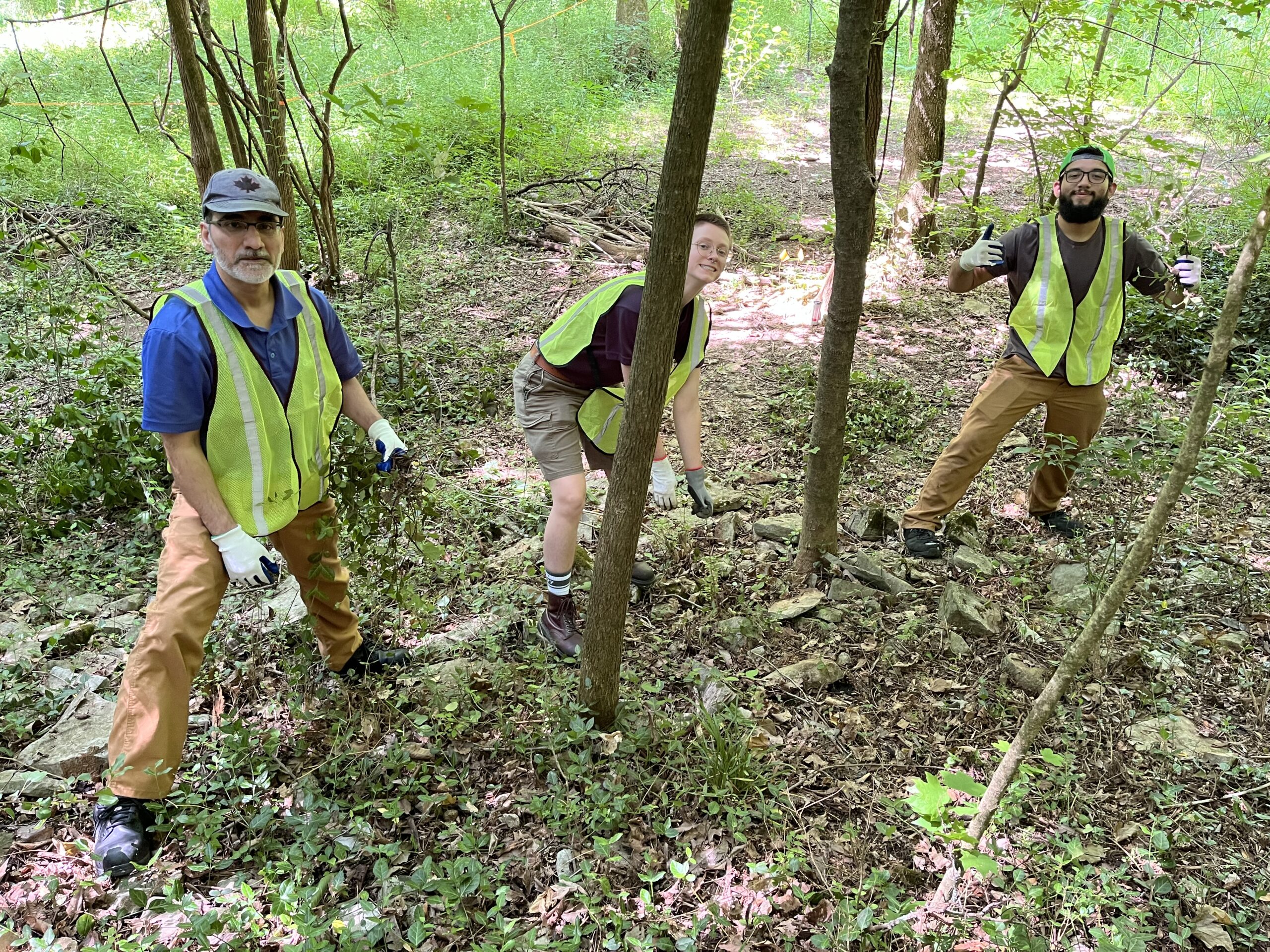
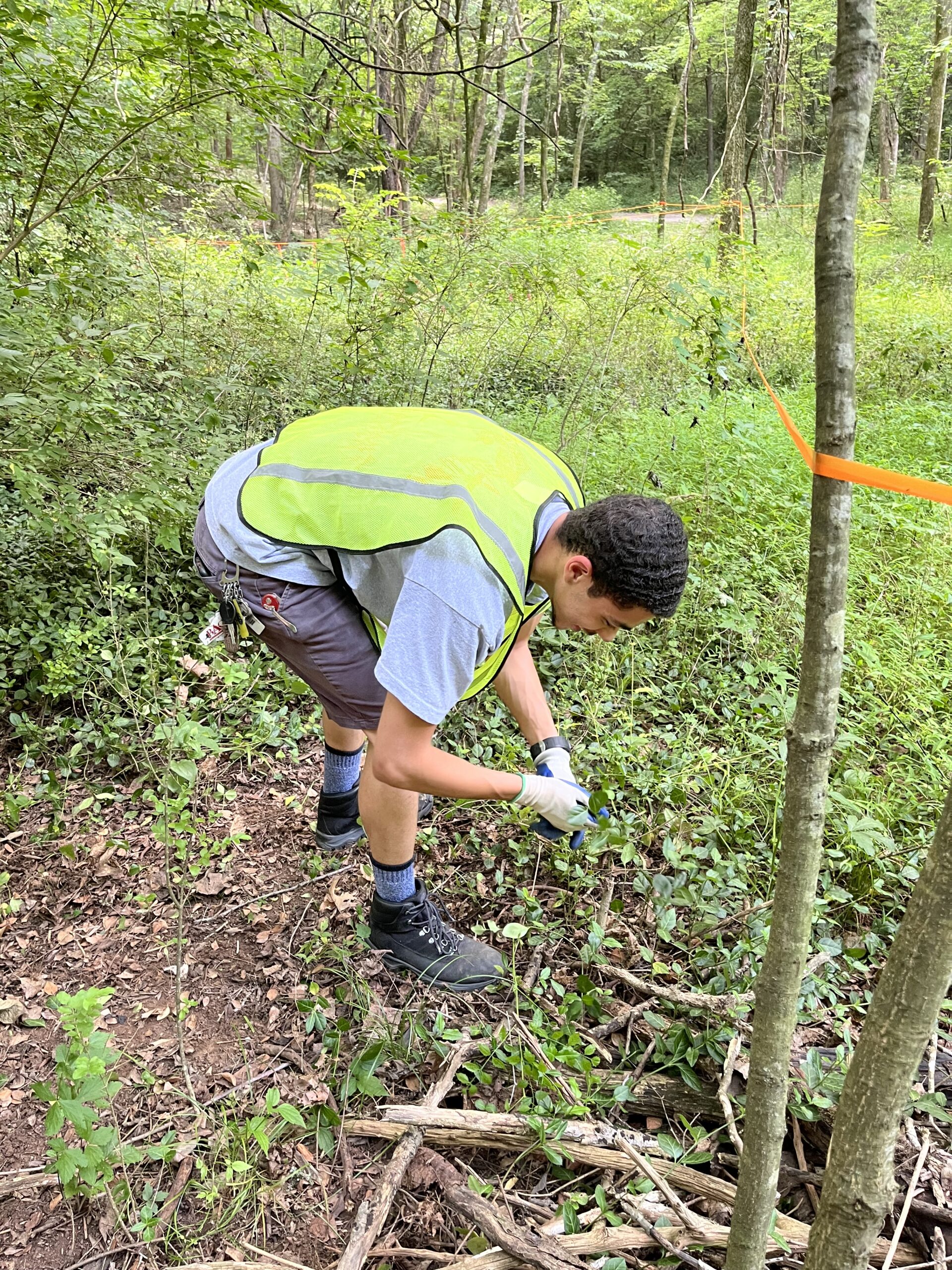
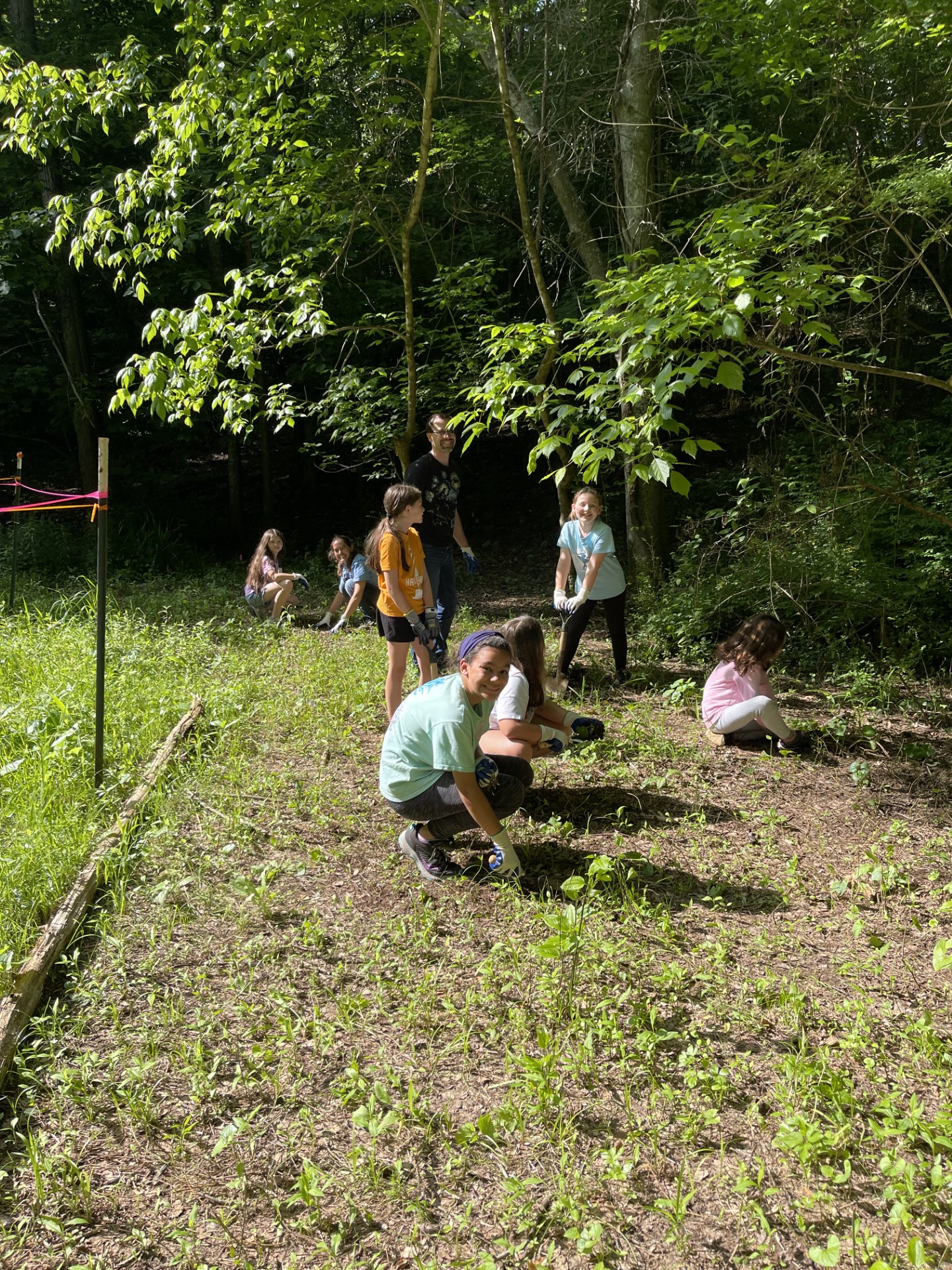
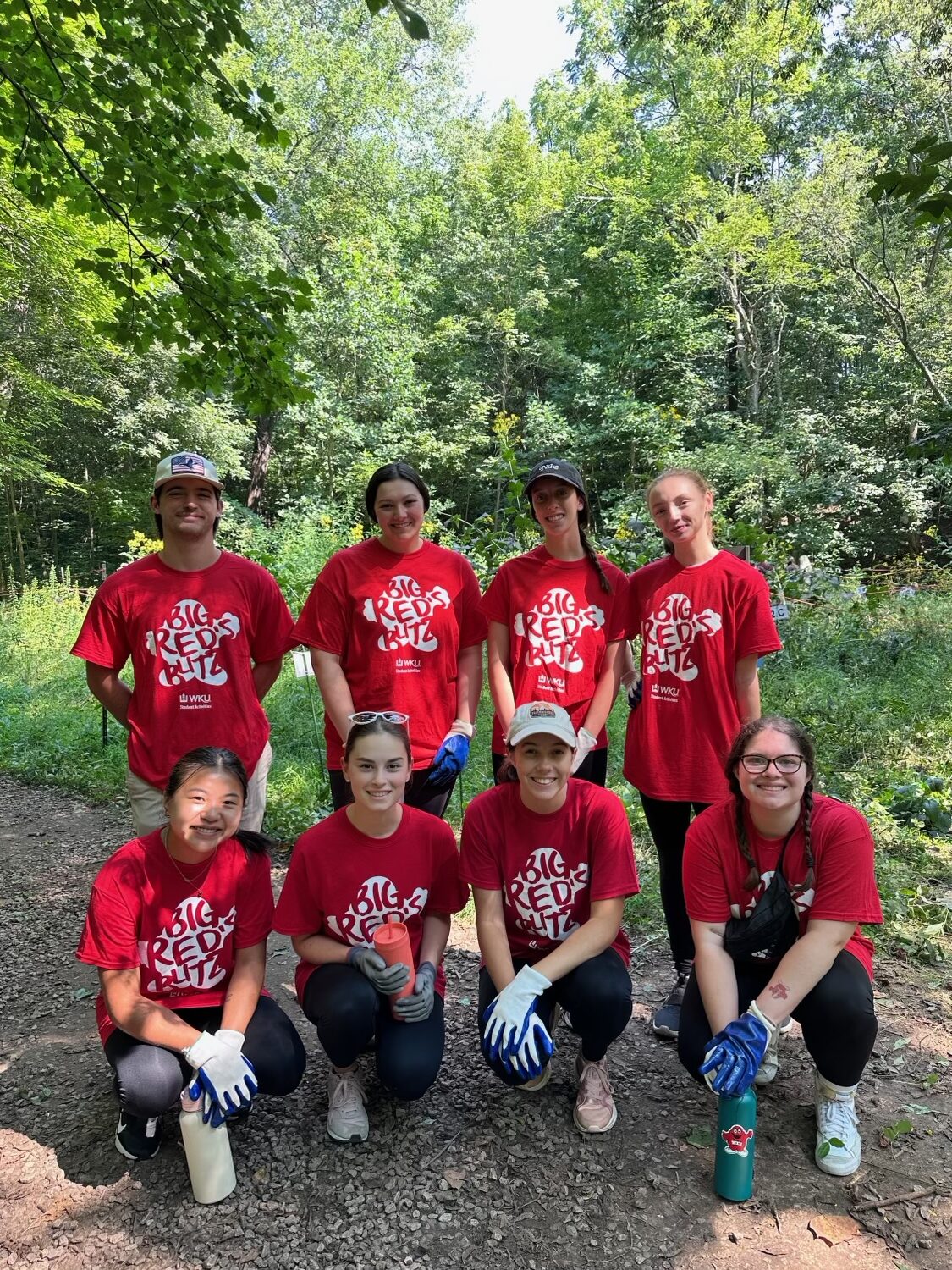
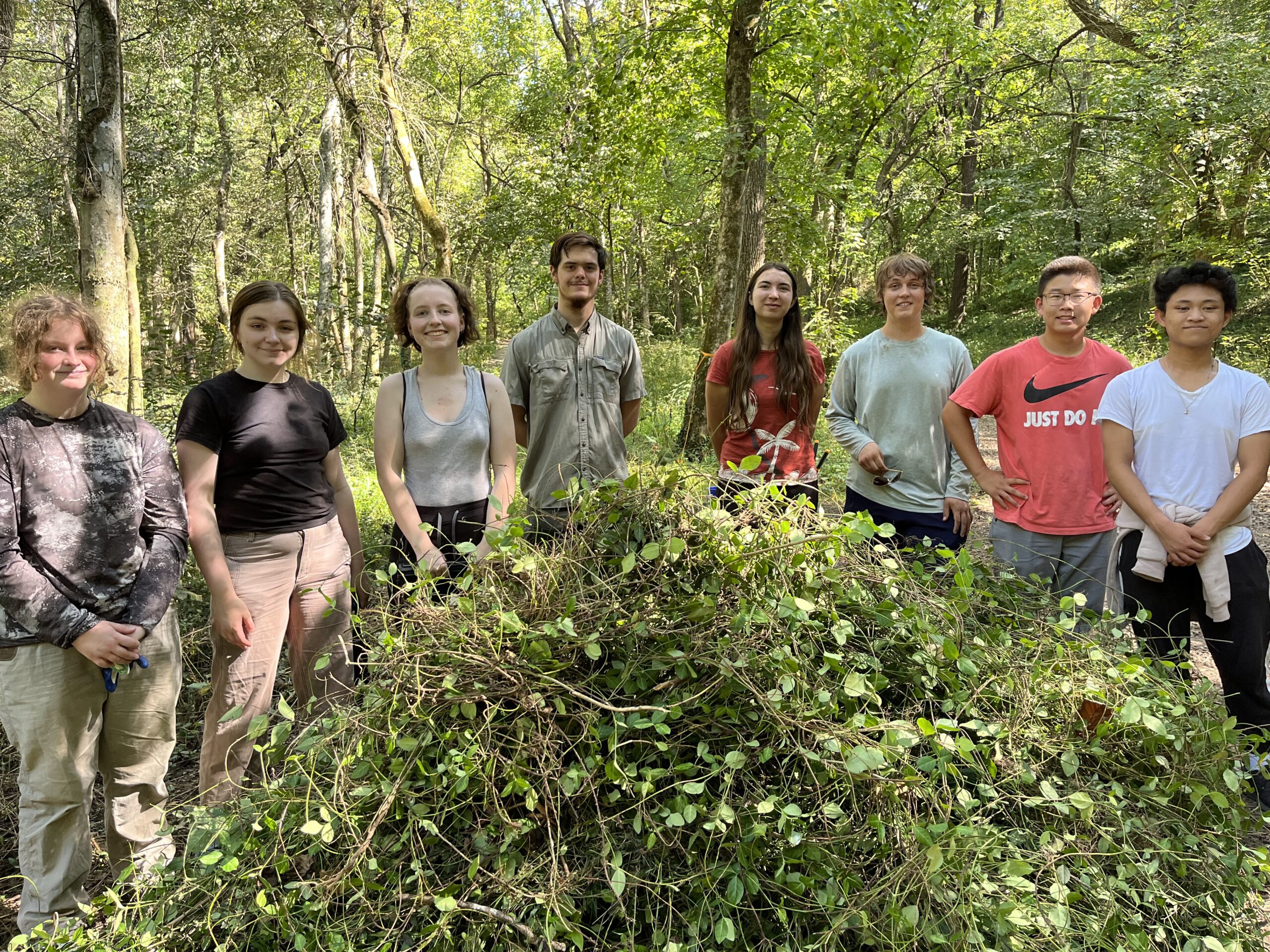
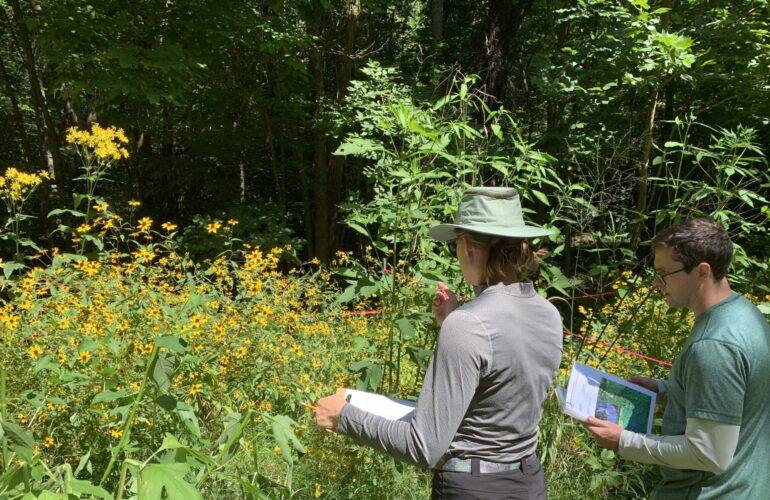
Countless volunteers have contributed to the meadow restoration: removing invasive species, planting natives, and tracking the meadow’s progress. Join us!
Progress
Although the meadow is not yet a self-sufficient ecosystem, there has been so much progress!
Sounds of Life
Before the restoration project, the meadow area was quiet.
Listen to what it sounds like now!
Chronolog
Next time you hike past the meadow, look for the chronolog sign. Your photos can contribute to this multi-year time-lapse.
Plants are the Foundation
Partridge Pea
Seed pods are eaten by birds
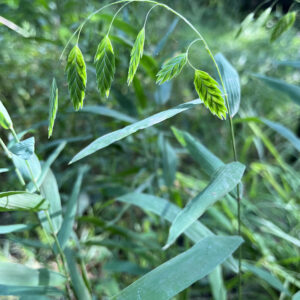
River Oats
A caterpillar host plant
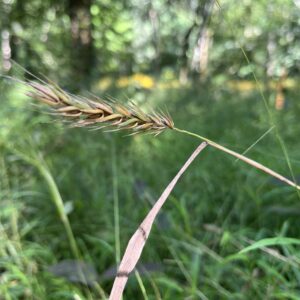
Virginia Wild Rye
Food and cover for deer
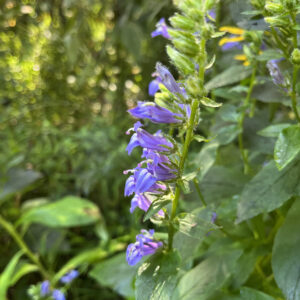
Great Blue Lobelia
Feeds hummingbirds & bees
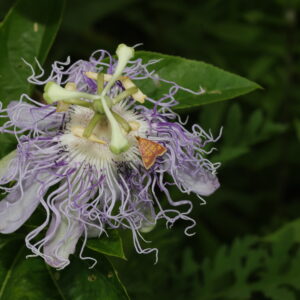
Passionflower Vine
photo credit John Zippay
Some of these featured native plants were re-introduced by volunteers, but others have come by themselves. To learn more about these plants, check out meadow science.
Insects Return
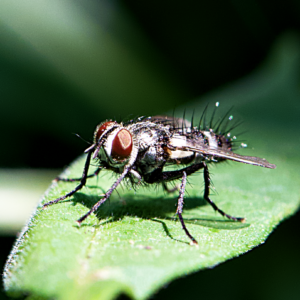
Bristle Fly
photo credit Rickey Shive
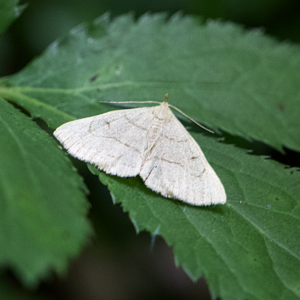
Foot Fan Moth
photo credit Rickey Shive
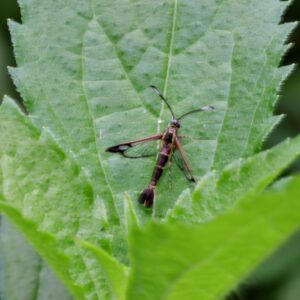
Ithaca Clear Wing Moth
photo credit John Zippay
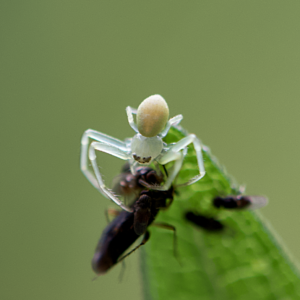
Green Crab Spider
photo credit Rickey Shive
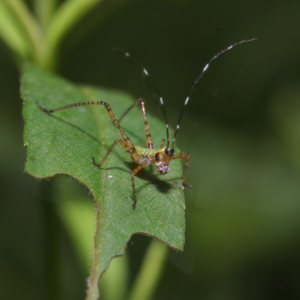
Fork-Tailed Bush Katydid
photo credit John Zippay
The return of a healthy insect population is an indication of significant improvement in the overall health of the meadow. Here are a few featured insects (and other invertebrates) that we are excited to find in the meadow.
Birds are Back
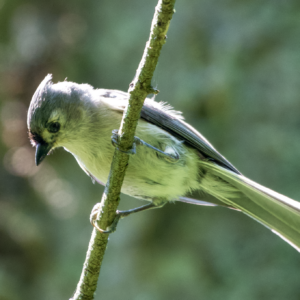
Tufted Titmouse
photo credit Rickey Shive
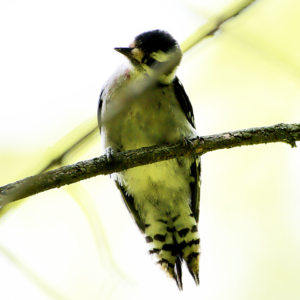
Downy Woodpecker
photo credit Rickey Shive
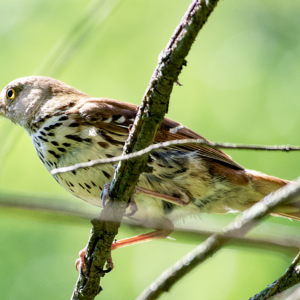
Brown Thrasher
photo credit Rickey Shive
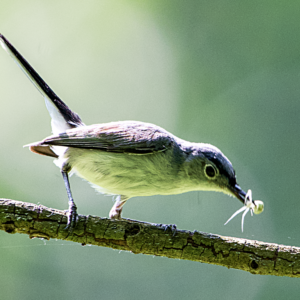
Blue Gray Gnatcatcher
photo credit Rickey Shive
Diversity of bird species in an area can be an excellent indicator of ecosystem health. Volunteer birders came to the meadow to help document some of the species we can now see and hear in this restored area.
Get Involved
This work is made possible by the incredible community around Lost River Cave.
Explore the ways you can partner with us.
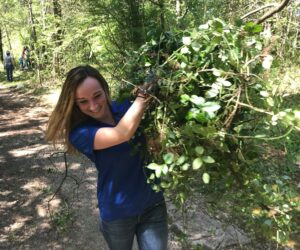
Volunteer
Check out our upcoming volunteer opportunities.
There are many ways you can get involved as we pull, plan, plant, inventory, pull, plan, plant, inventory…. Contact us to schedule your group or club volunteer activity!
270.393.0077
Donate
Partner with us to support the work being done at the park.
The 72 Society specifically supports the protection and conservation of Lost River Cave’s 72 acres, including habitat restoration projects like this one.

Plant Natives
Choosing native plants over invasive ones has a significant impact on habitat quality wherever you live.
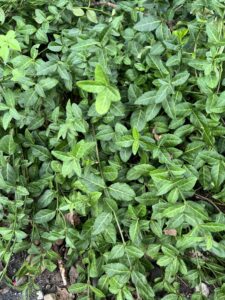
Plant Wild Ginger
Instead of winter creeper…
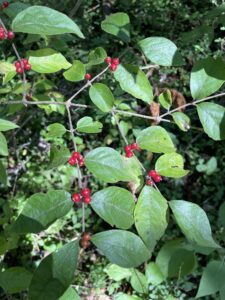
Plant Native Dogwoods
Instead of bush honeysuckle…
Free, downloadable resources to help you use native plants at home.
Meadow Science
The meadow is a fascinating place! Learn more about what makes it unique and worth saving.
What is a mesic meadow? by Lost River Cave
Meadow Sedges by Lost River Cave
Meadow Grasses by Lost River Cave
Learn More About Native Plants!
Native plants play an important role in supporting pollinators, wildlife, and healthy ecosystems. To learn more, explore the resources available through the Warren County Master Gardeners and Wild Ones SoKY Chapter. You’ll find information, educational opportunities, and guidance for those interested in native gardening and conservation.
Ready to grow native plants at home? Explore these regional providers: